Did you know that recent surveys indicate 78% of male partners wish they received manual stimulation more frequently, yet only 10% experience it on a weekly basis? This shocking gap reveals a complex reality in intimate relationships — despite the popularity of these practices, most people don’t know how to execute them properly.
The real problem lies in the absence of clear, practical, and reliable information about the reach around technique. This topic is marginalized in mainstream sexual culture, leaving individuals relying on trial and error. This lack of education leads to deep feelings of embarrassment, hesitation, and not knowing where to start — creating both psychological and physical barriers that prevent partners from exploring new levels of intimacy.
Here’s the thing: mastering this skill doesn’t require innate talent — it requires a precise understanding of anatomy, neurological responses, and effective communication. Incorporating techniques like the reach around handjob (also known as reach around hj or reacharound handjob) into your intimate repertoire can fundamentally change the dynamics of your relationship.
By the end of this guide, you’ll know exactly how to give a reach around that feels incredible.
What Is a Reach Around Handjob?

The Basic Definition
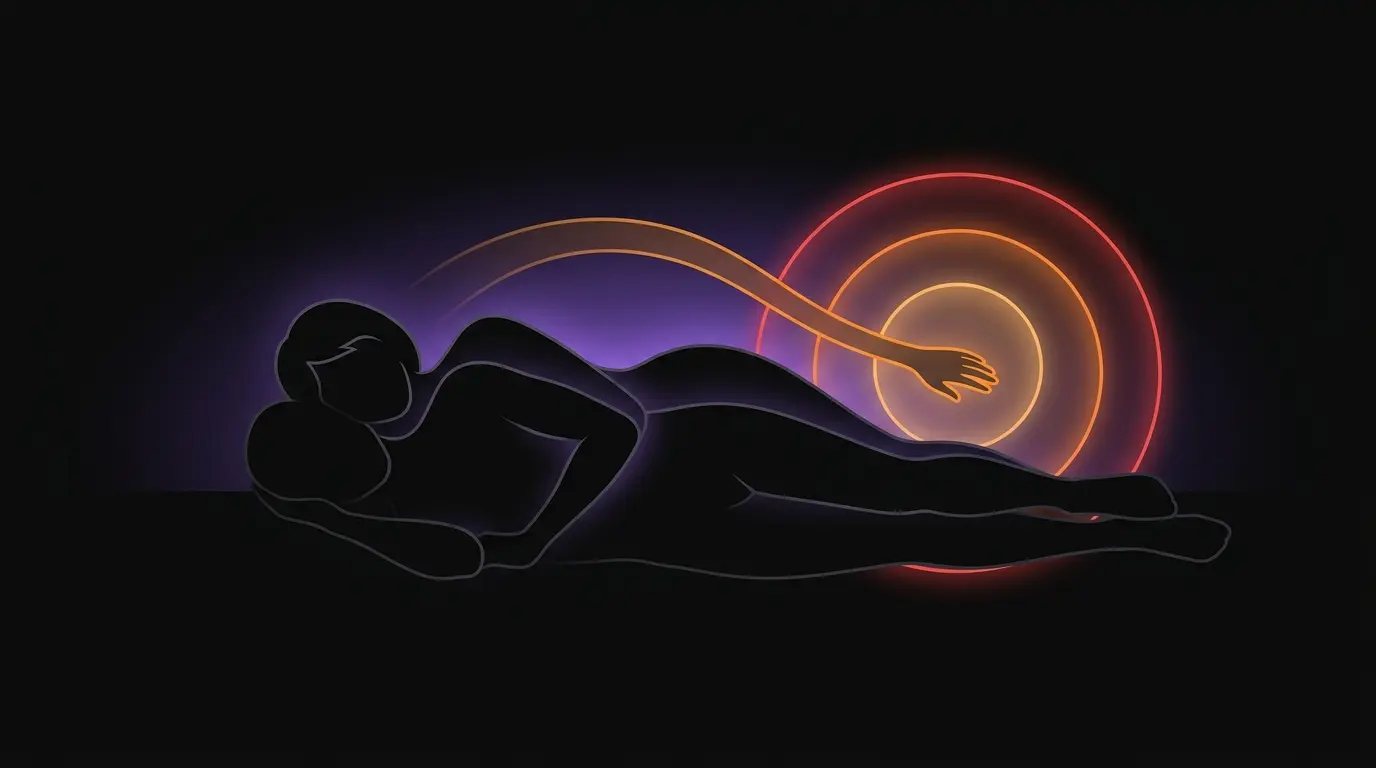
A reach around is the act of manually stimulating your partner’s genitals from behind — either as a standalone activity or simultaneously with other forms of physical contact. This position relies on posterior positioning, which provides comfortable hand angles and allows for precise pressure application on the most sensitive areas with ease and effectiveness.
Why It’s Called a “Reach Around”
The etymological explanation comes from the literal description of the body mechanics involved — the active partner must extend their arm “reach around” the receiving partner’s body to access the frontal genital area.
This term gained widespread cultural and linguistic fame in the English-speaking world after its use in the 1987 film “Full Metal Jacket,” where it appeared in military dialogue as a rhetorical metaphor. Initially, the term was limited to describing manual stimulation during male-male encounters, where the active partner provides the reach around as a form of intimate courtesy.
As language and cultural practices evolved, the meaning expanded to include any context where one person stimulates their partner from behind, regardless of sexual orientation. Today, the term reach around sex describes this specific dynamic that enhances physical connection from a posterior angle, giving it a unique place in modern relationship lexicons.
Who Is This Guide For?
This guide is designed as a comprehensive reference for a wide spectrum of readers:
- Couples seeking to break routine and introduce new dimensions to their physical relationship
- Beginners who need step-by-step guidance to build confidence
- Anyone who wants to improve their intimate experience through deeper understanding of anatomy and psychology
For those who want to understand the very first basics and overcome shyness barriers, check out our Reach Around for Beginners: Everything You Need to Know.
Why the Reach Around Feels So Good

The Unique Sensation of “From Behind”
The position from behind delivers a physical and neurological sensation that differs fundamentally from face-to-face stimulation. When performing a handjob from behind, the hand naturally aligns with the anatomical curvature of the penis. The fingers wrap around the ventral (underside) surface, allowing the softer, more sensitive surfaces of the hand — such as the palm and fingertip pads — to make direct contact with the frenulum, a tissue band rich in nerve endings considered one of the most arousing areas in male anatomy.
Additionally, the biomechanics of this angle transfer kinetic effort from the large arm muscles to the wrist joint, enabling a rotational, twisting motion that closely mimics the complex friction generated by other intimate practices. This physical alignment, combined with chest-to-back pressure and full-body embrace, floods the central nervous system with multi-dimensional sensory stimuli.
The Psychological Element: Surprise & Surrender
The psychology of “Surprise & Surrender” plays a pivotal role in amplifying pleasure. Surprise is classified as one of the universal basic emotions. When the human brain experiences an unexpected stimulus — such as a sudden touch from behind — it undergoes what’s known as the “surprise sequence”:
- A momentary physical freeze lasting a fraction of a second
- An immediate cognitive shift that pulls all attention and focus to the present moment
- In safe intimate environments, this heightened attention amplifies sensations and emotional responses by up to 400%
The element of romantic surrender completes the equation. Surrender here doesn’t mean passive submission — it’s an active emotional state where the individual relinquishes psychological resistance and the need for control, allowing complete immersion in the experience. Since the posterior position limits direct vision, the receiving partner is forced to rely entirely on mutual trust. This voluntary relinquishing of visual and physical control stimulates oxytocin production (the bonding hormone), which lowers cortisol levels and reduces anxiety, enabling a deeper, more liberated sensory experience.
How to Do a Reach Around: Step-by-Step
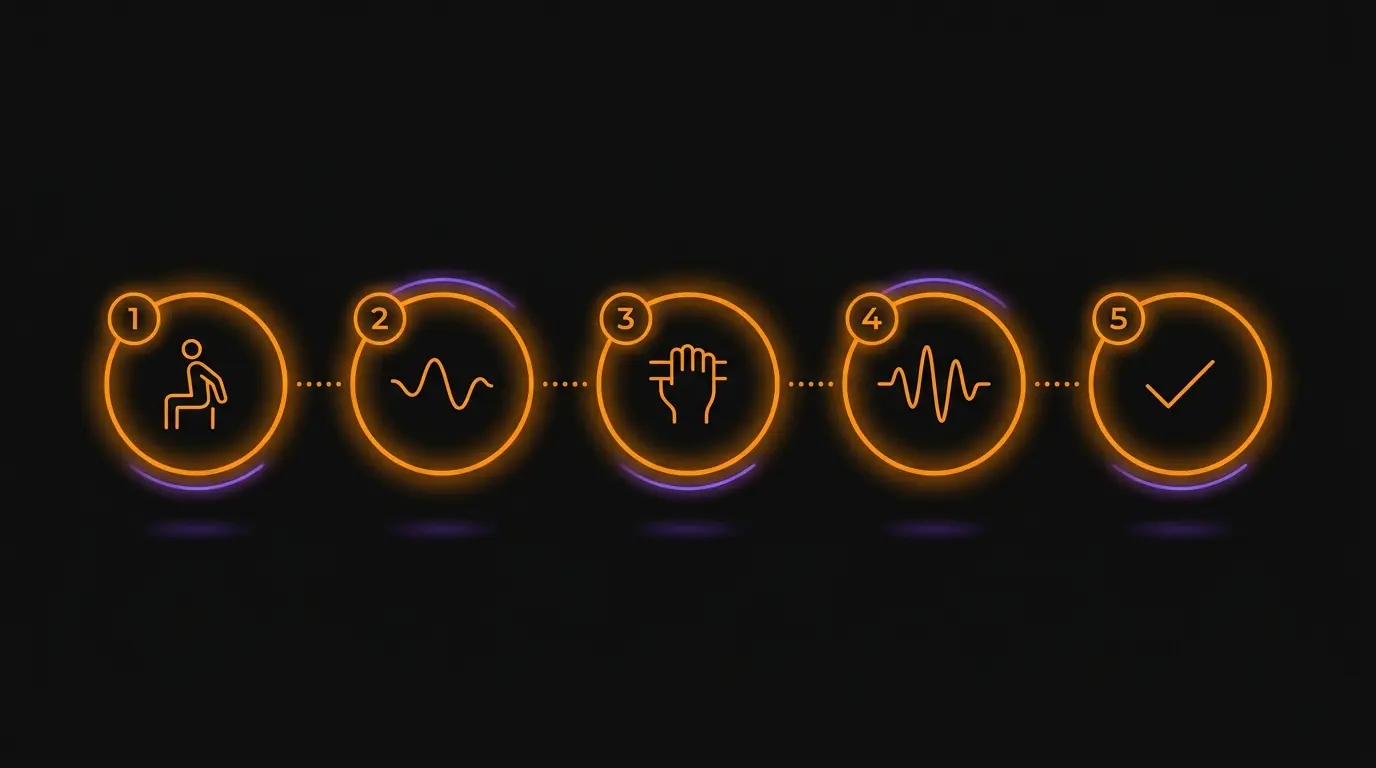
This is the most important section of the guide, directly targeting practical how to reach around instructions and reach around technique analysis for maximum effectiveness.
Step 1: Get Into Position
Positional fundamentals are the cornerstone of any successful experience. Without physical stability, the active partner’s muscles will fatigue quickly, leading to rhythm fluctuation and weakened performance.
The active partner should take a posterior position that ensures their center of gravity is balanced, with the arm wrapping around the partner’s waist in a way that doesn’t place undue stress on the shoulder joint. This can be achieved through several angles depending on the practice environment.
👉 Learn all positions in detail: Reach Around From Behind: Positions & Angles 👉 Master the vertical approach: Standing Reach Around: The Complete Technique
Step 2: Start Slow & Read the Room
Studies on the human sexual response cycle highlight the importance of the initial “excitement” phase involving gradual vascular engorgement. A slow sensory start is absolutely essential — starting with high speed and force can cause sensory shock or rapid neural adaptation that reduces pleasure.
The active partner must read non-verbal cues with precision (reading the room) — such as breathing rate, muscle tension, and sounds produced — to adjust pressure and speed according to momentary responses.
👉 Master the rhythm: Slow vs Fast: Finding the Right Rhythm
Step 3: Find the Right Grip
The grip must be balanced — not so strong that it causes discomfort or impedes blood flow, and not so weak that it fails to stimulate nerve receptors. The optimal grip involves wrapping the four fingers around one side of the shaft while the thumb provides measured counter-pressure from the opposite side, achieving even pressure distribution around the entire circumference.
👉 Explore all grip techniques: Reach Around Grip Styles: Which One Works Best?
Step 4: Build the Rhythm
After establishing the correct grip and ensuring comfort, it’s time to build the rhythm. How to build an ascending rhythm depends on movement continuity and harmony. Key reach around tips include:
- Use the wrist joint rather than moving the entire arm — creating a twisting motion that stimulates deep tissues
- The rhythm should escalate in sync with the partner’s response
- Create an ascending excitement curve that keeps the nervous system continuously engaged
- This gradual escalation is the essence of successful reach around technique
Step 5: The Finish (Ending Strong)
When the partner approaches peak response, heart rates accelerate and involuntary contractions occur. The most common mistake here is changing rhythm or randomly increasing speed, which can break the neural feedback loop.
To finish strong:
- Maintain the exact rhythm and pressure that proved effective
- Use the free hand to provide supportive pressure on other areas such as the perineum or lower abdomen
- This ensures a complete, satisfying climax
Best Reach Around Positions

Spooning Position
The classic spooning position is one of the most effective and sustainable. Both partners lie on their side facing the same direction, providing extensive contact along the receiving partner’s back and the active partner’s front. This deep physical contact enhances body heat transfer and stimulates oxytocin release, creating an environment of emotional safety.
Mechanical advantage: The bed supports the active partner’s arm weight, significantly reducing deltoid and bicep fatigue — allowing longer, uninterrupted stimulation.
Seated Floor Position
The receiving partner sits on the floor between the active partner’s legs, leaning back against the active partner’s chest. The active partner opens their legs for stability and wraps their arms around the recipient’s waist.
Key advantage: This angle places the active partner’s palm directly facing the ventral underside of the shaft — the anatomical location with the highest nerve receptor density. It also allows clear visual observation of physiological responses.
Standing Behind
Standing requires balance and core stability from both partners. The primary biomechanical challenge is height differences. If the active partner is notably taller, they should widen their stance or slightly bend their knees to align their center of gravity with the receiving partner’s lumbar spine.
Stability tip: The active partner should use their non-dominant forearm to wrap around the receiving partner’s torso, binding both bodies together firmly — reducing cognitive load on the receiving partner so they can relax completely.
👉 Full standing guide: Standing Reach Around: The Complete Technique
The Reverse Reach Around
A more advanced variation where positioning and grip angles change significantly, offering novel sensations for experienced couples.
👉 Master this technique: Best Sex Positions for a Reach Around
| Position | Mechanical Advantage | Psycho-Physical Impact |
|---|---|---|
| Spooning | Arm weight supported, reduced muscle fatigue | Full body contact, high oxytocin release |
| Seated Floor | Optimal angle to ventral underside | Excellent visual feedback, easy rhythm adjustment |
| Standing Behind | Dynamic, spontaneous possibilities | Excitement of novelty, requires trust |
| Reverse | Novel stimulation angles | Advanced sensation, builds experience |
5 Pro Tips for a Better Reach Around
1. Use Lube — Always
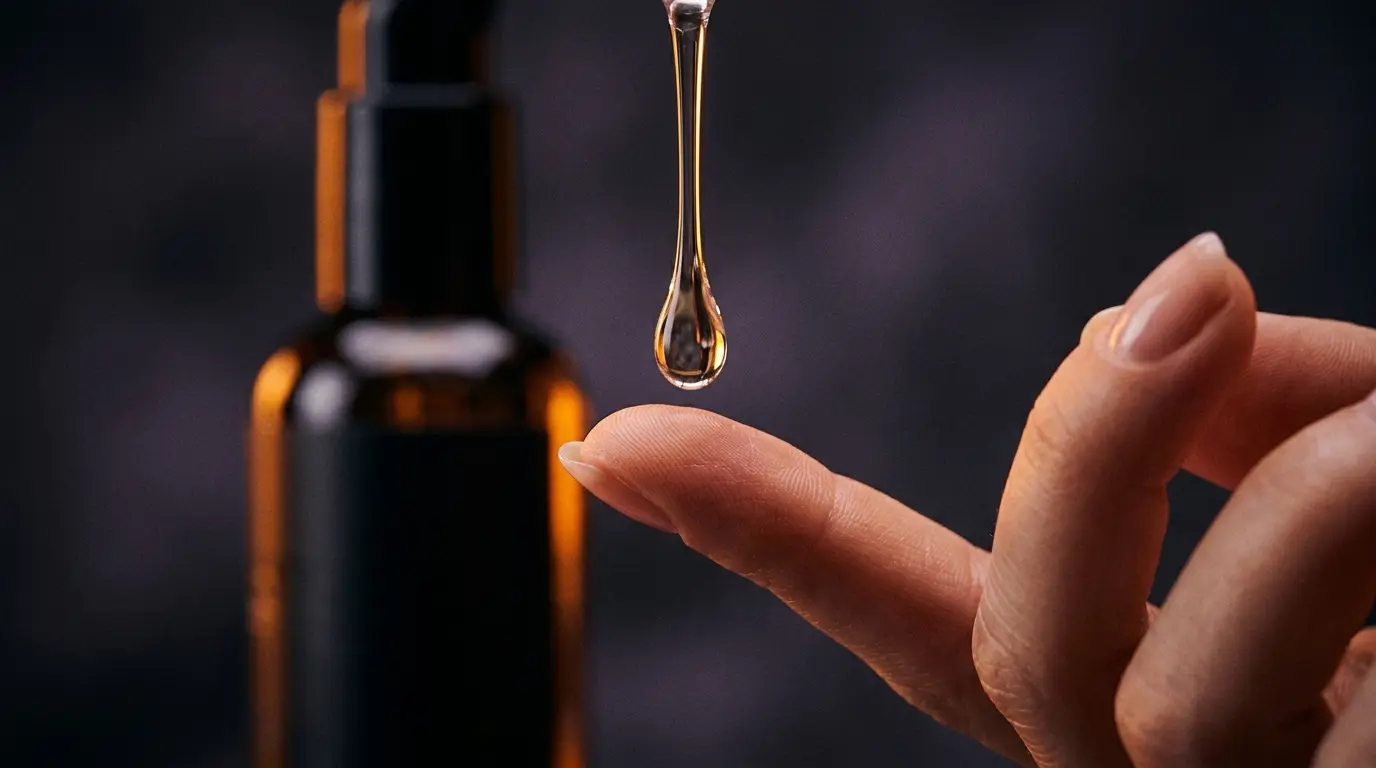
Dry skin-on-skin friction inevitably leads to micro-abrasions, thermal discomfort, and rapid deterioration of tactile pleasure. Community feedback consistently describes the lubeless experience as feeling like “sandpaper.”
Three main lube categories:
- Water-based: Most versatile and safe. Compatible with silicone toys and condoms. Requires frequent reapplication.
- Silicone-based: Extremely long-lasting. Ideal for extended sessions. Not safe with silicone toys.
- Oil-based (coconut oil): Dense, luxurious glide. Excellent skin moisturizer. Never use with latex condoms — it causes degradation.
Pro tip: Apply lube to your palm first to warm it to body temperature before contact with sensitive areas.
👉 Full product reviews: Best Lubes for a Reach Around: 2026 Honest Review
🏆 Our #1 Lube Pick: Swiss Navy Silicone
Ultra long lasting, waterproof, one hand pump. Rated 4.7/5
Shop on EdenFantasys ➜2. Switch Between Hands
Using your non-dominant hand adds variety and prevents the receiving partner’s nervous system from adapting to predictable patterns.
👉 Detailed technique: Reach Around Grip Styles & Advanced Hand Techniques
3. Engage Secondary Erogenous Zones
While the dominant hand performs rhythmic stroking, deploy the other hand to:
- Cradle, massage, or gently tug the scrotal tissue
- Apply steady upward pressure on the perineum (the external area between scrotum and anus) — this indirectly stimulates the prostate
- Run fingernails lightly along the spine — this creates positive “mental distraction” that surrenders the body to sensory reactions
4. Add Auditory Stimulation
Since your face is close to your partner’s ear in the posterior position, leverage auditory stimuli — whispering, rhythmic heavy breathing, or encouraging words directly activate the auditory cortex, creating a multi-sensory arousal loop that binds mind to body.
5. Master the Art of Edging
The edging technique involves escalating rhythm until the receiving partner approaches the edge of climax, then deliberately slowing down or shifting focus to less sensitive areas. Once arousal intensity drops slightly, rebuild the rhythm from scratch.
This cyclical process extends the plateau phase of the response cycle, producing a significantly deeper physiological and psychological release when climax is finally allowed.
| Rhythm Phase | Kinetic Strategy | Physiological Goal |
|---|---|---|
| Initiation | Light pressure, slow exploratory movements | Assess sensitivity, start gradual vascular engorgement |
| Escalation | Increase speed, strengthen grip, continuous rhythm | Push CNS toward Plateau phase |
| Edging | Cyclical alternation between acceleration and deceleration | Extend Plateau, prevent early sensory habituation |
| Climax | Maximum sustainable speed, absolute mechanical stability | Cross orgasmic threshold, facilitate rhythmic involuntary contractions |
Common Mistakes to Avoid

These are the most frequently reported errors from real-world community feedback:
1. The “Jackhammer” Approach ❌
Relying entirely on large arm muscles to drive a rigid, high-speed linear (piston-like) up-and-down motion. This causes rapid fatigue for the active partner and often pain instead of pleasure for the recipient.
Fix: Lock your forearm firmly against the partner’s waist and use fine motor skills in the wrist joint to create flexible, twisting motion.
2. Neglecting the Glans ❌
Concentrating all movement on the mid-shaft while ignoring the high-density nerve cluster in the head and frenulum.
Fix: Ensure your grip’s range of motion allows the index finger and thumb to repeatedly cross the coronal ridge (where skin texture and color changes) in a deliberate pattern.
3. Rhythm Inconsistency Near Climax ❌
Suddenly changing speed or grip strength precisely when the partner approaches the point of no return.
Fix: Absolute commitment to the rhythm and pressure that brought the partner to that stage. Maintain this consistency until the full response completes.
4. Skipping Lubrication ❌
This leads to micro-abrasions, discomfort, and a sharp drop in pleasure.
Fix: Apply generous amounts of appropriate lubricant with continuous reapplication throughout the session.
5. Death Grip Syndrome ❌
Applying excessive compressive force that mimics aggressive solo masturbation patterns, leading to desensitized nerve receptors.
Fix: Keep the grip flexible — similar to a firm, confident handshake that provides steady friction without restricting blood flow.
👉 Full breakdown: 5 Common Reach Around Mistakes (And How to Fix Them)
| Common Mistake | Physiological Consequence | Recommended Fix |
|---|---|---|
| Lack of lubrication | Micro-abrasions, negative sensory habituation | Generous lubricant with continuous reapplication |
| Rigid linear motion | Incomplete neural stimulation, active partner fatigue | Use wrist for multi-directional twisting motion |
| Rhythm fluctuation near climax | Broken neural feedback loop, delayed/failed orgasm | Absolute steadiness in pace and pressure |
| Neglecting erogenous zones | Limited systemic arousal intensity | Employ free hand for scrotal/perineal stimulation |
Reach Around Safety & Hygiene
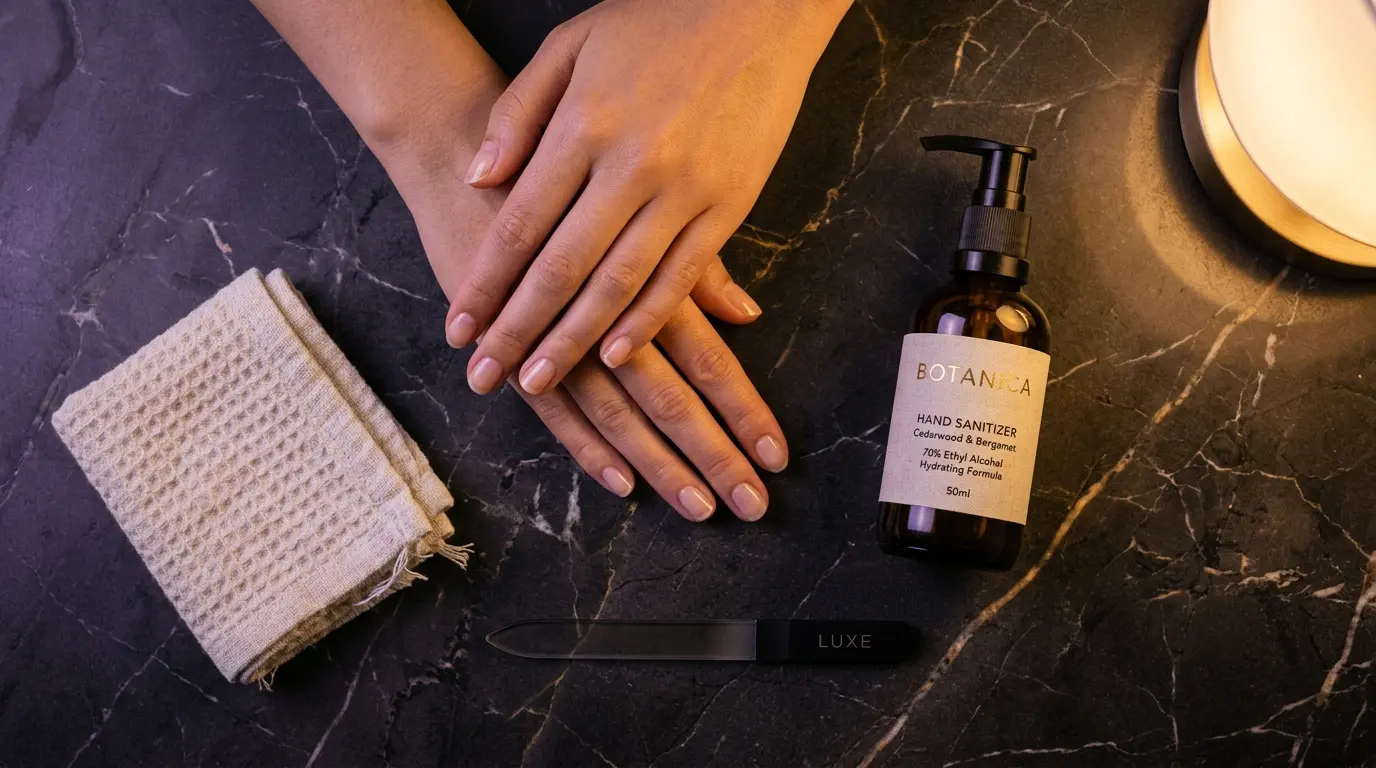
Nail Care First
Before any manual intimacy, trim and file your nails thoroughly. Rough or long nails can cause micro-tears in sensitive genital tissue, leading to pain and potential infection risk.
👉 Pro tip: Always trim and file nails smoothly before any manual intimate session to prevent micro-tears in sensitive tissue.
Lube Allergy Awareness
Some individuals may experience allergic reactions to certain lubricant ingredients — particularly those containing glycerin, parabens, or fragrances. Always test a small amount on the inner forearm 24 hours before intimate use.
👉 Stay safe: Best Lubes for a Reach Around: 2026 Honest Review includes allergy-safe recommendations.
Communication & Consent
Enthusiastic consent is the cornerstone of any new intimate exploration. Because the posterior position limits eye contact and facial expression reading, verbal communication becomes non-negotiable.
The active partner should periodically ask short, direct questions:
- “Is this pressure comfortable?”
- “Would you prefer a slower pace?”
- “How does this feel?”
This ensures no unintentional boundary crossings occur.
👉 For beginners: Reach Around for Beginners covers communication fundamentals in detail.
Advanced Techniques: Technology Enhancements
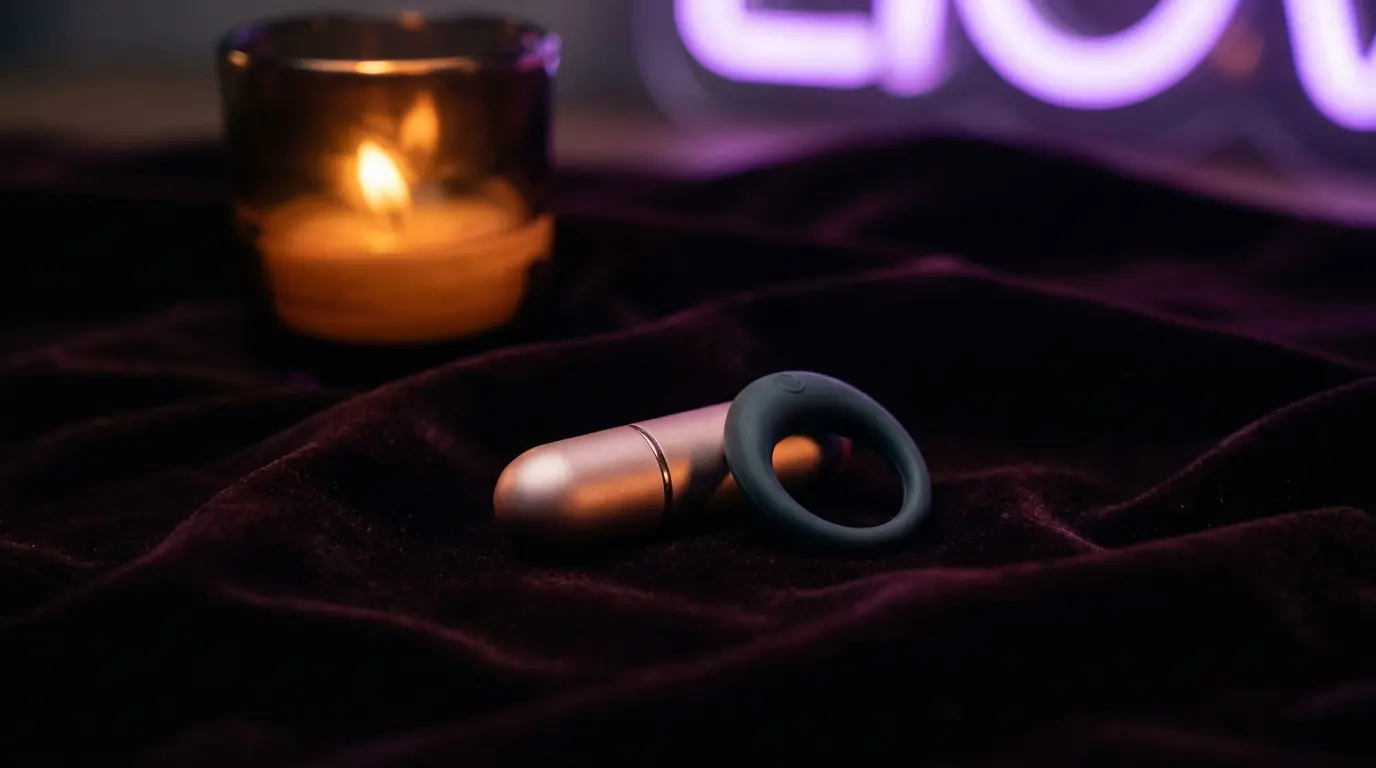
For couples wanting to elevate their experience to professional levels, integrating modern devices adds vibrational frequencies that muscles alone cannot replicate.
Bullet Vibrators
Placing a small bullet vibrator against the perineum or at the base of the shaft during manual stroking transmits vibration waves through the deep cavernous tissues. This lowers the orgasmic threshold and massively increases contraction intensity.
Cock Rings
Medically-enhanced constriction rings restrict venous outflow while allowing arterial inflow. This doesn’t just increase vascular engorgement and tissue rigidity — it significantly extends the plateau phase, allowing longer edging sessions without losing arousal, leading to a more satisfying physiological release.
⚠️ Important: Integration of these enhancements must always be done with full awareness and continuous communication to prevent any nerve numbness or discomfort from overuse.
👉 Product reviews: Coming soon — Best Handjob Toys for Couples (Reach Around Edition)
💍 Couples Top Pick: His and Hers Vibrating Ring
Shared vibration for both partners. Rated 4.5/5. Only $9.99
Shop on EdenFantasys ➜✨ Best Bullet Vibrator: Lustique
Compact, powerful, perfect for perineum stimulation. Rated 5.0/5. Bestseller
Shop on EdenFantasys ➜Frequently Asked Questions
Is a reach around the same as a regular handjob?
Not exactly. While both involve manual genital stimulation, a reach around specifically refers to stimulation performed from behind the partner. This posterior positioning changes hand angles, grip mechanics, and the psychological dynamic entirely — adding elements of surprise, surrender, and full-body contact that a face-to-face handjob doesn’t provide.
Can women give reach arounds?
Absolutely. The reach around is not gender-specific. Any partner can perform this technique regardless of gender or sexual orientation. In fact, many couples report that the female-led version from behind offers unique control and intimacy benefits.
👉 Learn the basics: How to Give a Handjob From Behind
What’s the best position for a first-time reach around?
Spooning is universally recommended for beginners. Both partners lie on their sides facing the same direction, which provides natural arm support, full-body contact, and a relaxed environment with minimal physical strain. It removes the balance challenges of standing and the awkwardness of finding the right angle.
Does a reach around feel different than a regular handjob?
Yes — significantly. The posterior angle allows the hand to naturally align with the penis curvature, directing the softest parts of the palm and fingers to the frenulum (the most nerve-dense area). Combined with full-body warmth and the psychological element of surrendering visual control, most recipients report a noticeably more intense experience.
What lube should I use for a reach around?
For most couples, a water-based lubricant is the safest starting point — it’s compatible with everything and easy to clean. For extended sessions, silicone-based options last longer. Oil-based (like coconut oil) provides a luxurious feel but is incompatible with latex condoms. Choose based on your specific needs.
👉 Complete reviews: Best Lubes for a Reach Around: 2026 Honest Review
Key Takeaways
The reach around handjob is far more than a simple mechanical act — it’s a complex structure of physical and psychological interactions requiring deep understanding of anatomy, biomechanical competence, and honest emotional communication.
Here’s what to remember:
- Start slow — prevent sensory habituation and allow natural vascular engorgement
- Use lube generously — the single biggest factor in comfort and pleasure
- Master the wrist twist — ditch the jackhammer for multi-directional stimulation
- Embrace edging — extending the plateau phase produces dramatically more intense results
- Communicate constantly — especially in the posterior position where visual cues are limited
- Explore secondary zones — the perineum, scrotum, and auditory stimulation multiply the experience
Real-world experiences consistently confirm that enthusiasm and emotional engagement, paired with clear enthusiastic consent, are the decisive factors in transforming this practice from a secondary activity into an unforgettable intimate connection.
Ready to master a specific technique? Start with our complete Step-by-Step Guide: How to Give a Perfect Reach Around.
Looking for the right products? Check our Best Lubes for a Reach Around: 2026 Honest Review.
🛒 Shop Our Top Picks on EdenFantasys
Premium lubricants, toys, and wellness essentials. Free shipping on orders $59+
Browse the Full Collection ➜Want to watch real techniques in action? Browse our curated HD video library →