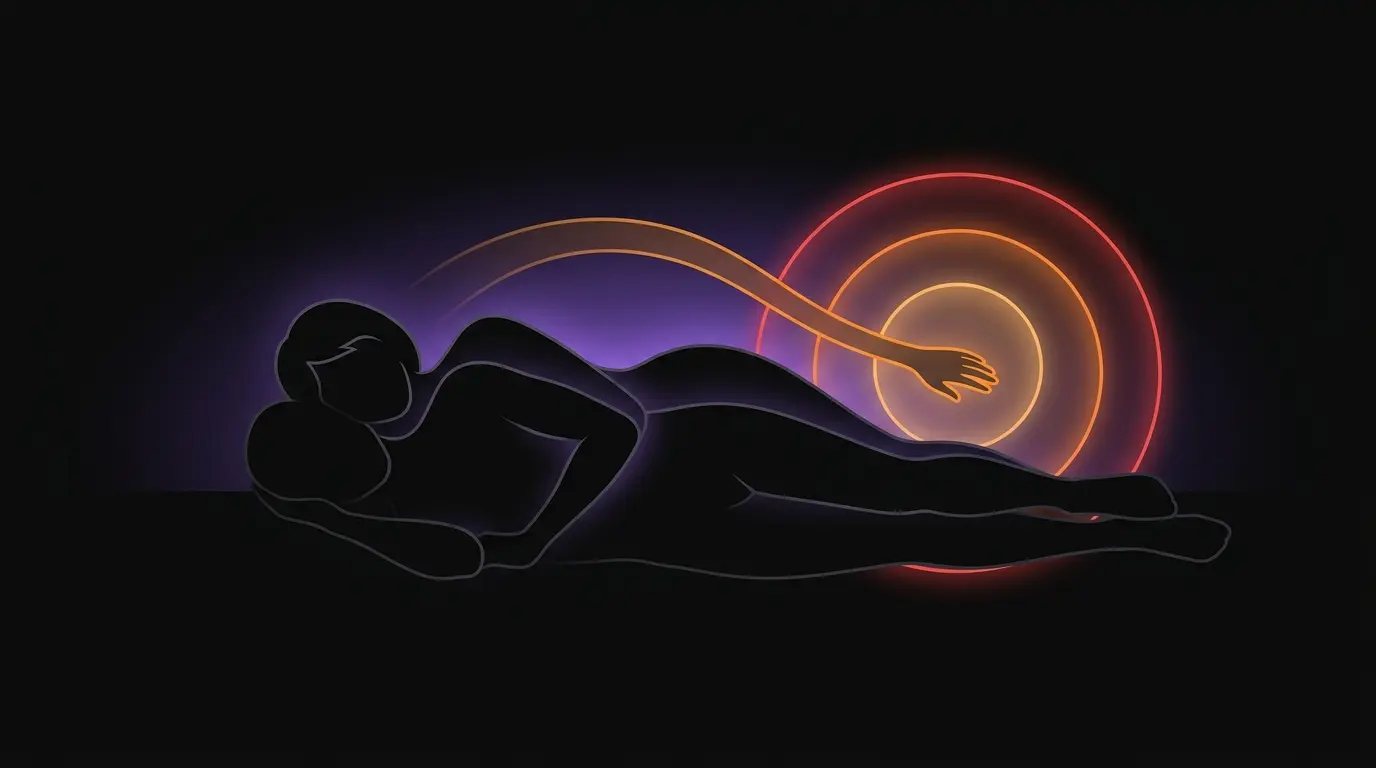
The mechanics of manual stimulation from behind — commonly known as the reach around — represent one of the most frequently misunderstood techniques in intimate partnerships. Despite its popularity in cultural conversation, the practical execution remains remarkably poor across the general population. Recent surveys suggest 78% of male partners wish they received manual stimulation more frequently, yet most attempts end in awkward positioning, rapid fatigue, and mutual frustration.
Here’s the real problem: when individuals attempt a handjob from behind, they’re operating without the neurological feedback loop that guides solo play. Without proper ergonomic alignment, the giver experiences rapid forearm fatigue while the receiver endures erratic, disconnected motions that range from entirely ineffective to genuinely uncomfortable.
The solution? A structured, step-by-step approach built on biomechanics, neurobiology, and deliberate pacing. This guide transforms the reach around from guesswork into a precise, repeatable skill.
For the complete overview of this technique, including all positions and advanced strategies, explore our comprehensive Ultimate Guide to the Reach Around Handjob.
Before You Start: The 3 Non-Negotiables
Preparation is the absolute foundation of any successful physical interaction. The delicate anatomical nature of the male genitalia, combined with the physical endurance required by the giver, mandates strict adherence to three preliminary protocols. Neglecting these introduces immediate physical discomfort and psychological distraction that neutralizes any potential for a positive experience.
1. Trim Your Nails (Seriously)
The skin of the penile shaft, glans, frenulum, and scrotum is characterized by exceptionally thin, highly innervated tissue. This dermal layer lacks the protective keratinization found on the hands or torso, making it acutely susceptible to micro-abrasions and lacerations. Even superficial, microscopic scratches trigger an immediate nociceptive (pain) response, activating the sympathetic fight-or-flight mechanism and instantly terminating the arousal reflex.
Trim closely, particularly on the dominant hand performing rhythmic motions. File the edges to ensure absolute smoothness. Clean, well-maintained hands also reduce the risk of introducing bacteria into any microscopic dermal tears during vigorous activity.
For best results, always ensure nails are smooth before any manual intimate session to avoid micro-tears in sensitive tissue.
2. Choose Your Lube
Friction management is the critical variable separating a sustainable, highly pleasurable experience from one that causes severe chafing and tissue trauma. The glans and coronal ridge contain a dense concentration of sensory nerve endings that respond optimally to smooth, gliding sensations rather than dry, abrasive pulling. Relying on saliva is biomechanically insufficient — it evaporates rapidly and lacks long-term viscosity.
Three main categories:
| Lube Type | Best For | Warning |
|---|---|---|
| Water-based (Sliquid, Good Clean Love) | Universal compatibility with condoms and silicone toys | Requires periodic reapplication |
| Silicone-based (Swiss Navy) | Extended sessions, shower play, ultra-long glide | Never use with silicone toys |
| Oil-based (Coconut oil) | Luxurious feel, excellent skin conditioning | Destroys latex condoms on contact |
Pro tip: Apply lube to your palm first and warm it to body temperature before making contact with sensitive areas.
For detailed product comparisons and our top picks, see Best Lubes for a Reach Around: 2026 Honest Review.
💧 Best Water-Based Lube: EdenFantasys Personal
Universal compatibility, toy safe, easy cleanup. Rated 4.8/5. Only $9.99
Shop on EdenFantasys ➜3. Talk About It First
The assumption that any form of physical touch inherently translates to pleasure is a common and damaging fallacy. Before initiating the posterior technique, establish a verbal baseline regarding pressure, speed, anatomical boundaries, and goals.
Discussing mechanics openly mitigates the risk of the receiver experiencing discomfort from a grip that’s too tight or a rhythm that’s uncomfortably fast. Verbal check-ins act as a vital auditory feedback loop, allowing the giver to calibrate their biomechanical output in real time.
Learn more about intimate dialogue in Bedroom Communication: Asking for a Reach Around Without Awkwardness.
Step 1: Get Into the Right Position

The angle of approach dictates the giver’s physical leverage, wrist alignment, cardiovascular endurance, and ability to sustain the act without developing cramps or numbness. Three primary positional frameworks offer the highest probability of sustained success:
The Spooning Configuration (Recommended for Beginners)
The lateral recumbent position maximizes total body contact while providing a stable, relaxed foundation for prolonged intimacy. The receiver (the “little spoon”) lies on their side while the giver (the “big spoon”) aligns flush against the receiver’s posterior.
Critical ergonomic issue: Managing the giver’s bottom arm. To prevent nerve compression and numbness:
- Extend the bottom arm flat beneath the receiver’s pillow
- Position the arm across your own chest
- Rest the hand lightly on the receiver’s hip
The superior arm is then free to reach around the torso. This position allows a neutral, horizontal wrist angle, drastically minimizing the radial deviation that causes rapid forearm fatigue.
The Standing Configuration
Both partners remain upright, with the receiver bracing against a wall, furniture, or bed edge. Offers excellent access to secondary zones (inner thighs, scrotum, perineum) but demands significantly higher cardiovascular output and core stability.
The Seated Configuration
When the receiver sits on a chair or bed edge, the giver positions behind them — standing or kneeling. This provides superior visual access to the anatomy and allows the giver to utilize gravity and larger muscle groups (shoulders, back) rather than relying solely on the easily fatigued forearm.
For the complete positional breakdown, see Reach Around From Behind: Positions & Angles. New to this? Start with our Reach Around for Beginners: Everything You Need to Know.
Step 2: The First Touch (Start Slow)

Transitioning abruptly from a resting state to high-velocity genital stimulation violently bypasses the critical arousal and plateau phases, often resulting in a jarring, uncomfortable sensation. The initiation must be intentional and gradual, leveraging the powerful psychology of anticipation to amplify the eventual neurological payoff.
Before making direct contact with the primary anatomy:
- Trace the outline of the hips, kiss the nape of the neck
- Apply gentle, broad-handed pressure to the chest, abdomen, or shoulders
- This primes the parasympathetic nervous system, signaling safety and promoting vascular dilation
When moving toward the pelvic region, the first touch should be deliberate but exceptionally light. Use fingertips to trace the inner thighs or gently map the contours over clothing — building profound psychological tension that heightens physical sensitivity.
Once direct skin-to-skin contact is established, integrate the chosen lubricant into a smooth, exploratory massaging motion. Coat the entire shaft, the coronal ridge, and the delicate frenulum (the highly sensitive V-shaped band of connective tissue on the ventral underside of the glans). This slow escalation ensures maximum arterial engorgement and prepares the tissues for sustained, rhythmic friction.
Rushing this step denies the receiver the psychological buildup necessary for a truly profound climax.
Step 3: Find Your Grip
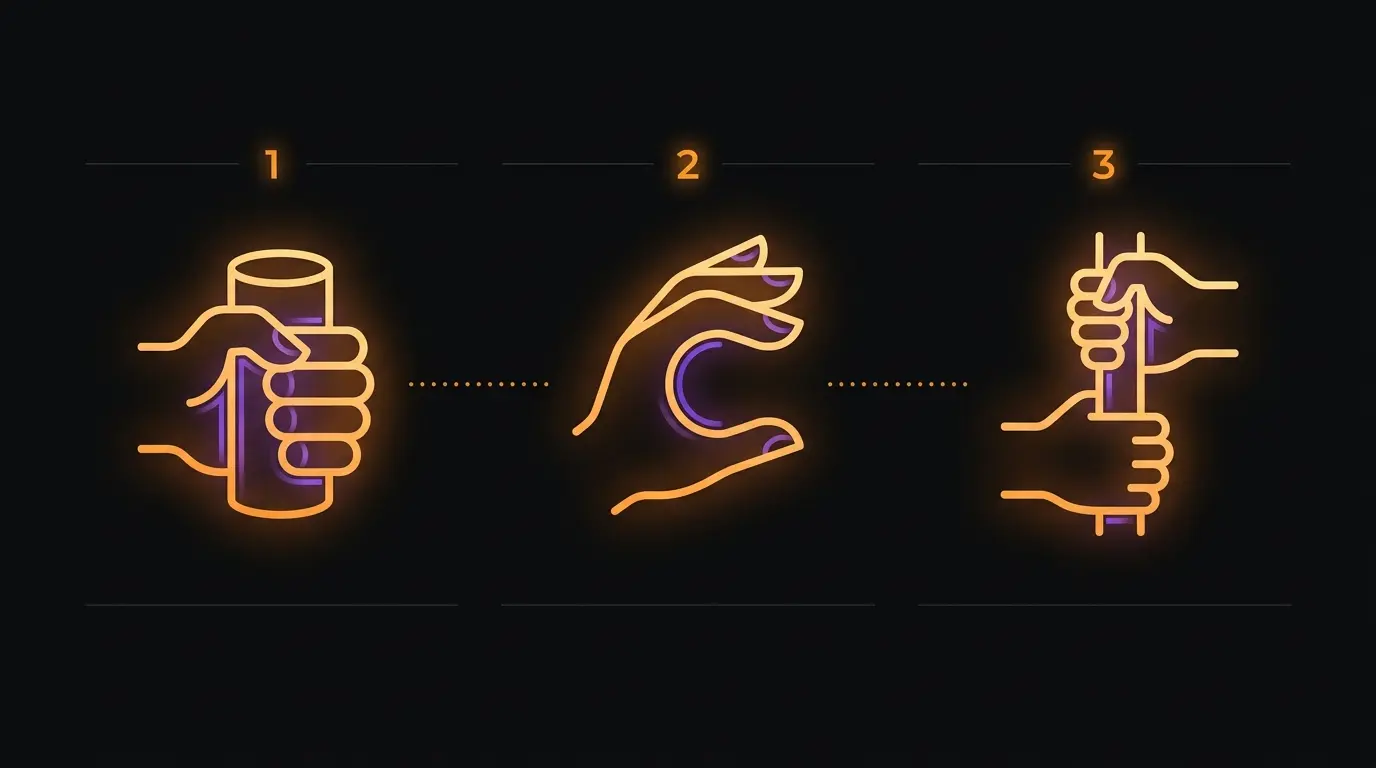
The biomechanics of the hand grip entirely determine the quality of sensory stimulation and the giver’s physical endurance. Excessive compressive force — the infamous “death grip” — risks tissue micro-trauma and aggressively desensitizes neural pathways over time. Conversely, a grip that’s too loose fails to stimulate the mechanoreceptors needed to trigger the response cycle.
| Grip Style | Description | Advantage | Fatigue Level |
|---|---|---|---|
| The Full Cylinder | All five fingers wrap around the shaft, thumb overlapping | Simulates uniform compressive pressure of intercourse | Moderate-High |
| The C-Clamp | Thumb and index/middle fingers form a “C” shape | Precise pressure variation, targeted frenulum stimulation | Low |
| The Base Anchor | One hand holds the base firmly, other uses loose C-Clamp near glans | Maximizes engorgement, focuses on the most sensitive areas | Moderate |
The single most important factor for the giver’s endurance: maintaining a neutral wrist angle. Bending the wrist aggressively into flexion or extension while applying compressive force places immense strain on the carpal tunnel — locking the wrist neutral and generating motion from the elbow and shoulder dramatically extends session length.
Explore all variations in Reach Around Grip Styles: Which One Works Best?.
Step 4: Build the Rhythm (Slow to Fast to Edge)
The neurological pathway to climax is not a linear progression — it’s a compounding, exponential curve. Maintaining a monotonous rhythm causes the peripheral sensory receptors to rapidly adapt, plateauing the arousal curve and delaying or preventing climax. Expert-level technique employs highly dynamic rhythm that escalates in precise tandem with the receiver’s physiological responses.
| Phase | Stroke Length | Velocity | Target Anatomy | Neurological Goal |
|---|---|---|---|---|
| 1. Initiation | Full (base to glans) | Slow, deliberate | Entire shaft | Parasympathetic priming, maximal engorgement |
| 2. Escalation | Medium | Moderate to fast | Mid-shaft to coronal ridge | Building sympathetic tension, increasing heart rate |
| 3. Edging | Short / static hold | Halting / very slow | Glans / base compression | Threshold control, profound sensory amplification |
| 4. The Finish | Short, rapid | High velocity | Frenulum and glans | Triggering the ejaculatory reflex |
Incorporating edging (orgasm control) elevates the technique to a masterclass in sexual physiology. Bringing the receiver close to the threshold of inevitability, then halting stimulation — repeating this cycle 2-3 times — exponentially increases the intensity, duration, and physiological depth of the eventual climax.
Master the nuances of pacing in Slow vs Fast: Finding the Right Rhythm for a Reach Around.
Step 5: Use Both Hands
While the dominant hand manages primary rhythmic stimulation, the utilization of the non-dominant hand is the distinguishing factor between a rudimentary technique and comprehensive mastery. The male pelvic region contains several highly innervated secondary erogenous zones that, when stimulated synergistically, induce full-body neurological responses.
The Perineum: This external strip of skin between the posterior scrotum and the anus lies directly over the prostate gland. Applying firm, rhythmic, upward pressure using the pads of the index and middle fingers indirectly stimulates the prostatic bed — vastly amplifying arousal intensity and creating what’s commonly described as a “full-body” orgasm.
The Scrotum: Requires careful, calculated interaction. Gentle cupping, lifting, or light rolling massage engages the cremasteric reflex — the natural muscular contraction that pulls the testicles closer to the body during high arousal. Actively avoid any sharp, pulling, or aggressive squeezing motions.
The Inner Thighs: Broad, sweeping strokes along the inner thigh — avoiding deep pressure in the femoral triangle — provide a grounding, erotic sensory contrast to the focused friction on the genitalia.
Learn the detailed technique in Reach Around Grip Styles & Advanced Hand Techniques.
Step 6: Add Enhancement Tools
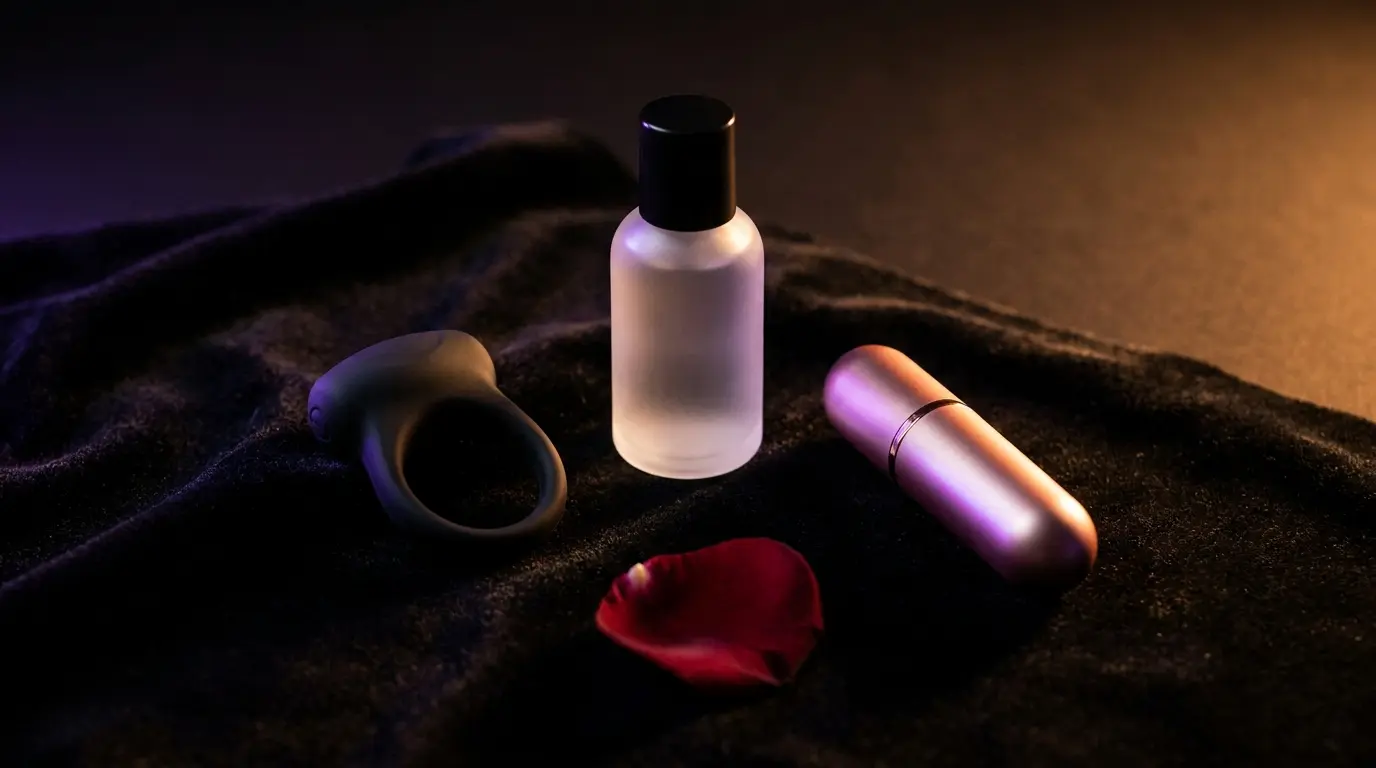
The integration of mechanical enhancement tools expands the sensory parameters far beyond human physiological capabilities. Vibrational therapy and vascular restriction devices introduce continuous, high-frequency energy that a human hand alone cannot replicate.
Vibrating Cock Rings
A well-fitted silicone cock ring applies mild, uniform constriction to the base of the shaft, partially restricting venous outflow while allowing continuous arterial inflow. This results in noticeably denser engorgement that enhances tactile sensitivity. Advanced models incorporate a motorized bullet casing that transmits low-frequency vibration directly through the rigid vascular tissue — providing resonant, deep-tissue stimulation that elevates the entire experience.
Bullet Vibrators and Wands
Compact, high-powered bullet vibrators are exceptionally versatile during a posterior reach around. The free hand can press the vibrating node firmly against the perineum, delivering intense mechanical energy directly to the prostatic bed. Alternatively, pressing a wand massager against the back of your stroking hand transfers vibrational waves through the palm — creating a hybrid of warm human touch and relentless mechanical oscillation.
Important: When using silicone-based toys, switch exclusively to water-based lubricant. Silicone-on-silicone causes irreversible chemical degradation and destruction of the device.
Browse our complete recommendations in Best Handjob Toys for Couples (Reach Around Edition).
💍 Couples Top Pick: His and Hers Vibrating Ring
Shared vibration, comfortable silicone fit. Rated 4.5/5. Only $9.99
Shop on EdenFantasys ➜✨ Best Bullet Vibrator: Lustique
Compact, powerful, perfect for perineum stimulation. Rated 5.0/5. Bestseller
Shop on EdenFantasys ➜Step 7: The Finish (Don’t Change a Thing)
As the receiver approaches the precipice of climax — the irreversible phase of ejaculatory inevitability — their neurological bandwidth narrows drastically. The central nervous system is entirely focused on the specific stimuli currently being applied. The body expects the exact cadence, compressive pressure, and angle of friction to continue unabated.
The single most pervasive error: abruptly altering the mechanics. Driven by cues of the receiver’s impending orgasm, the giver instinctively squeezes harder, increases velocity to a manic pace, or drastically changes the wrist angle. This sudden disruption shatters the built-up tension, potentially causing the arousal curve to crash — resulting in a frustrating, aborted, or physically painful climax.
The rule for the finish is inviolable:
- Maintain the exact velocity that initiated the final descent
- Maintain the exact compressive force that brought the partner to this threshold
- The non-dominant hand can continue firm, static support to the perineum or base
- Only after contractions have fully subsided should you slowly decelerate
- Transition to light, soothing touches as post-orgasmic hypersensitivity of the glans begins
5 Mistakes That Ruin an Otherwise Perfect Reach Around

Even with comprehensive understanding, certain specific errors rapidly degrade the experience:
-
The Jackhammer Effect — Ultra-high velocity, shallow stroking from the outset. Generates physical heat and irritation rather than deep neurological pleasure. Sheer speed ≠ pleasure.
-
The Death Grip — Extreme isometric compressive force around the shaft. Risks structural tissue damage and accelerates severe neural desensitization, trapping the receiver in a cycle where only unreplicable pressure can elicit a response.
-
Friction Without Fluidity (No Lube) — Relying on dry skin friction or rapidly evaporating saliva. Guarantees micro-abrasions, uncomfortable chafing, and forces the giver to pull skin rather than glide across it.
-
The Rhythm Disruption — Altering stroke length, speed, or grip pressure at the exact moment of peak arousal. Actively derails the nervous system’s path to climax.
-
Ignoring the Glans and Frenulum — Treating the shaft as a uniform cylinder. The highest nerve density is localized specifically in the glans and frenulum. Failing to target these structures results in an uninspired experience.
Get the full breakdown in 5 Common Reach Around Mistakes (And How to Fix Them).
Frequently Asked Questions
How long should a reach around last?
Duration is highly subjective. A comprehensive session focused on slow escalation and deliberate edging may last 20 to 45 minutes, promoting deep vascular engorgement and profound intimacy. A highly targeted, high-intensity session might conclude in under 10 minutes. If the receiver experiences clinical desensitization (death grip syndrome), sessions may require mechanical vibratory aids or prolonged breaks to recalibrate baseline sensitivity.
What if my hand gets tired?
Muscular fatigue in the intrinsic hand muscles and forearm flexor tendons is exceptionally common. To mitigate: maintain a neutral, straight wrist alignment and drive kinetic motion from the larger, fatigue-resistant musculature of the elbow, shoulder, and back. Transitioning from a tight full-cylinder grip to a looser C-clamp can immediately relieve isometric strain, allowing the session to continue comfortably.
Is it okay to switch hands mid-session?
Switching hands is highly recommended to manage lactic acid buildup and sustain endurance. However, the transition must be seamless — apply the non-dominant hand to the anatomy before releasing the dominant hand, carefully matching the established speed, pressure, and stroke length before fully transferring kinetic control.
What’s the best lube for a reach around?
For purely skin-to-skin interactions, a premium silicone lubricant (such as Swiss Navy) is widely considered superior due to its unparalleled longevity and velvety texture. If latex condoms or silicone vibrators are being used, a glycerin-free water-based lubricant (such as Sliquid or Good Clean Love) is mandatory to prevent material degradation.
Read the full comparison in Best Lubes for a Reach Around: 2026 Honest Review.
Key Takeaways
The perfect reach around is built on science, not guesswork. Here’s what to remember:
- Ergonomics dictate endurance — Position yourself structurally (spooning with strategic arm placement) to ensure a neutral wrist angle and prevent rapid forearm fatigue
- Lubrication is non-negotiable — Eliminate abrasive friction with a high-quality, glycerin-free water-based or premium silicone lubricant
- Calibrate the grip — Actively avoid the damaging death grip; employ a dynamic C-clamp that prioritizes glide over compression
- Master the escalation curve — Start slow, build deliberately, and use strategic edging before increasing velocity toward climax
- Engage the periphery — Use the non-dominant hand on the perineum and scrotum to exponentially amplify the physiological response
- Maintain the finish — When the threshold is reached, absolute consistency is required. Do not change speed, pressure, or angle until contractions fully cease
Ready for the complete deep dive? Return to our Ultimate Guide to the Reach Around Handjob for all positions, advanced techniques, and product reviews.
Looking for the right products? Check our Best Lubes for a Reach Around: 2026 Honest Review.
🛒 Shop Our Top Picks on EdenFantasys
Premium lubricants, vibrating rings, and bullet vibrators. Free shipping on orders $59+
Browse the Full Collection ➜New to the concept? Start with the science: What Is a Reach Around Handjob & How Does It Differ From Regular Technique.
Want to watch real techniques in action? Browse our curated HD video library.