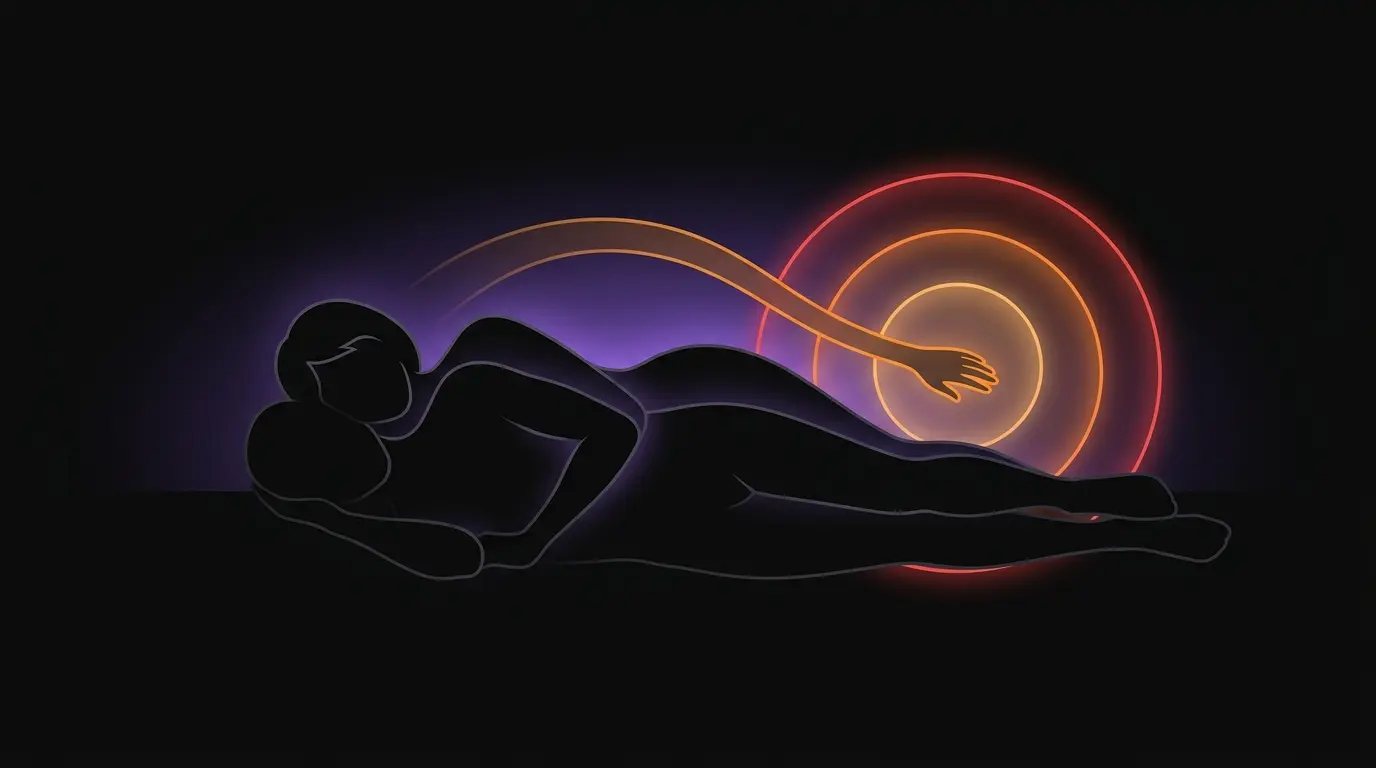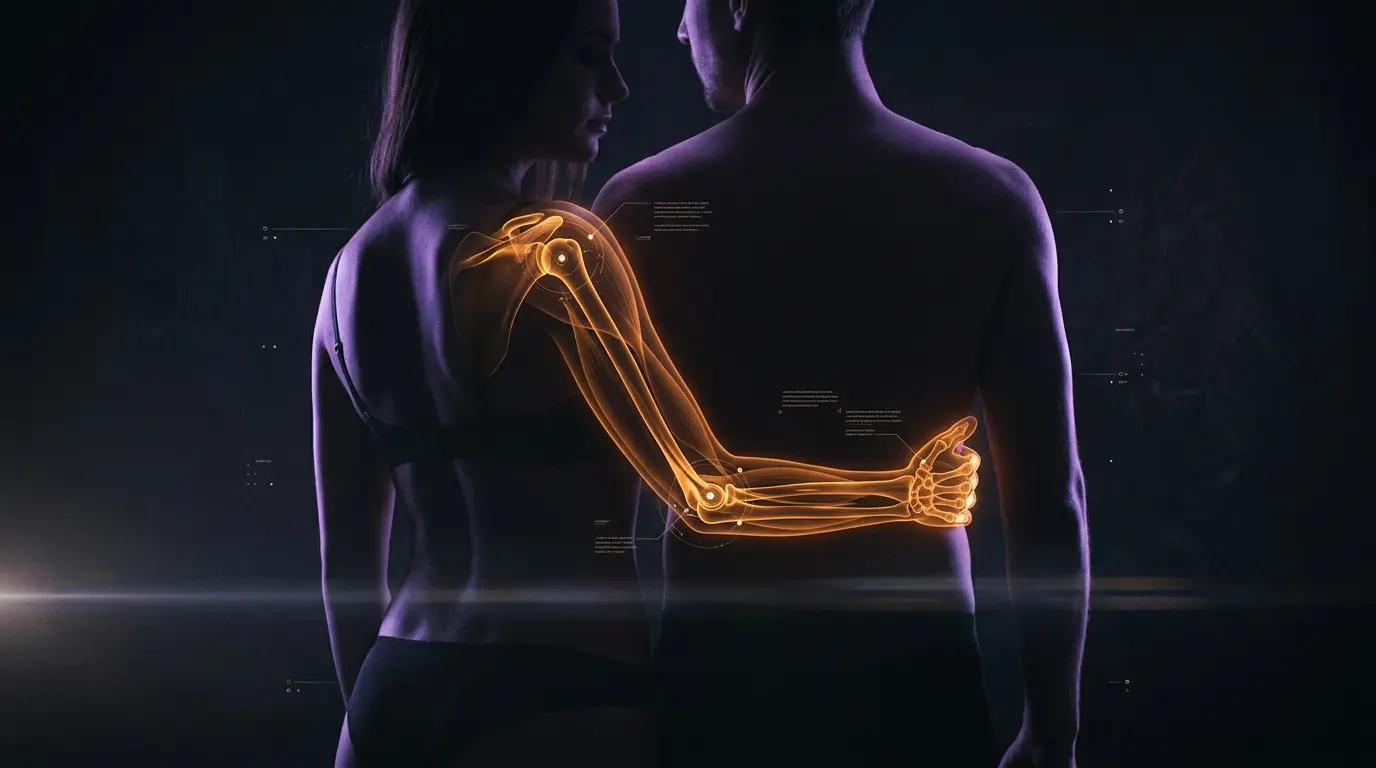
Stagnant physical routines lead to a plateau in sensory engagement. When intimate repertoires rely excessively on predictable, unidirectional friction, the receiving partner’s nervous system naturally habituates to the stimuli. This biological filtering process dulls pleasure, transforms arousal into a mechanical chore, and introduces severe biomechanical strain for the giving partner, particularly from behind positions.
The solution? Mastering diverse handjob grip styles that manipulate localized pressure, optimize mechanoreceptor activation, and sustain peak arousal over extended durations.
Understanding the precise effects of a specific handjob grip provides the framework to bypass neural habituation entirely. By integrating evidence-based hand job tips and sophisticated handjob techniques into your repertoire, you can transform repetitive friction into a dynamic, multi-layered experience.
For a foundational understanding of core principles and baseline mechanics, refer to our Ultimate Guide to the Reach Around Handjob.
Why Grip Style Matters More Than Speed
The biomechanics of manual penile stimulation are frequently misunderstood. The human penis does not function as a simple uniform structure. Rather, it operates as a complex, two-compartment pressurized vessel. During arousal, the parasympathetic nervous system signals the smooth muscles within the corpora cavernosa to relax, enabling enhanced blood flow that causes the rapid expansion of erectile tissue and structural rigidity.
Here’s what most people get wrong: the assumption that increased speed correlates directly with elevated neurological arousal.
Excessive axial speed without a calibrated grip style fails to engage the deeper cavernous tissues, primarily generating superficial dermal friction that quickly leads to desensitization. By altering the grip style, you change the angle and distribution of the applied load, creating dynamic surface stresses on the underlying tissue that vary between light touch and firm compression.
The dense array of mechanoreceptors on the human fingertip (approximately 250 units per cm2) allows you to apply targeted, multidirectional forces that are far more effective than rapid, repetitive stroking. Altering the geometric application of pressure through distinct grip variations creates a broader, more complex spectrum of sensory input. This prevents the central nervous system from filtering out redundant tactile data, sustaining the neurochemical pathways responsible for climax without requiring exhaustive, unsustainable speed.
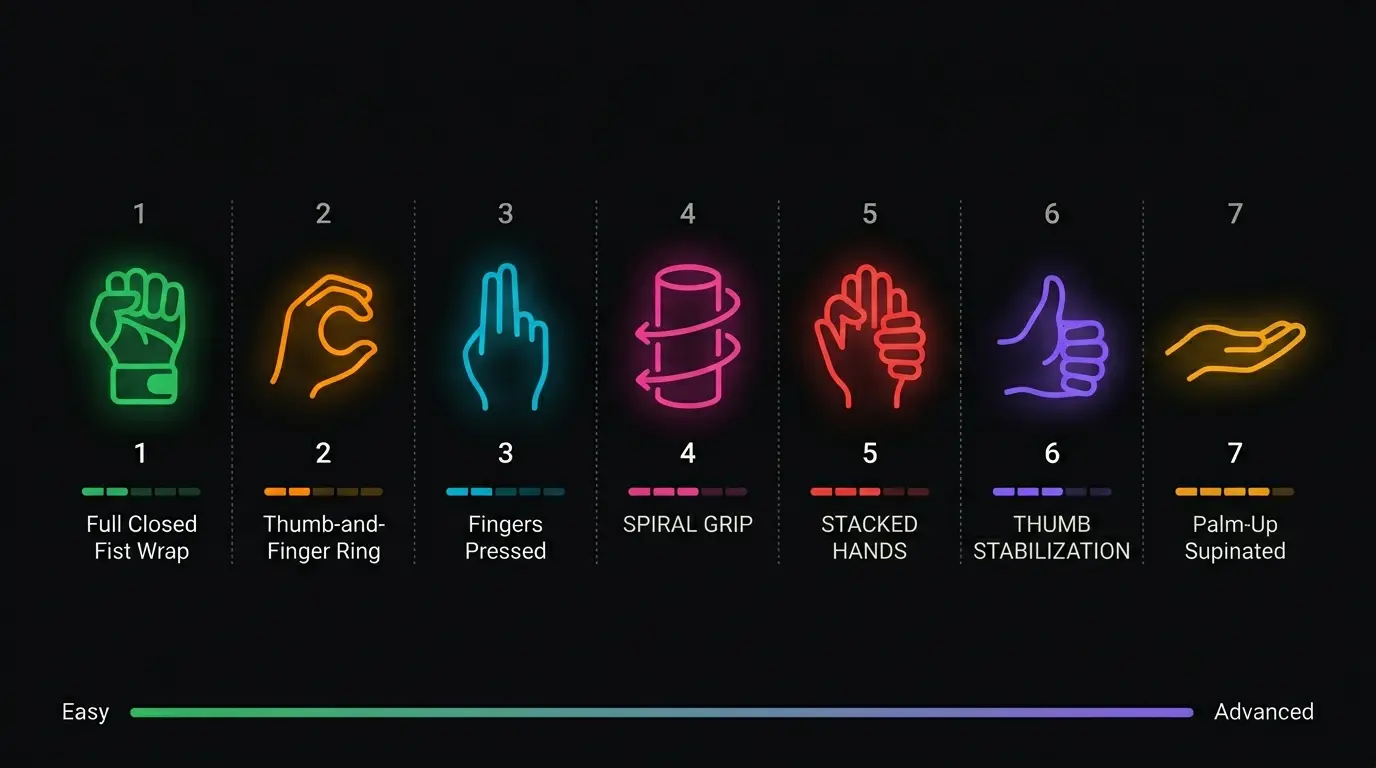
The 7 Essential Reach Around Grip Styles
#1 The Basic Wrap (Beginner Default)
The Basic Wrap is the foundational technique: the entire palmar surface and digits fully encircle the shaft in a traditional cylindrical hold. This grip distributes radial compression evenly across the maximum available surface area, providing broad, comforting tactile input through simple, rhythmic linear motion along the shaft.
When to use: The optimal baseline technique for the initial phases of arousal. Highly effective for distributing lubricant evenly and assessing the recipient’s baseline sensitivity before transitioning to more complex methods.
When NOT to use: Avoid during peak phases such as edging or when attempting to trigger imminent climax. The uniform pressure distribution lacks the pinpoint intensity required to push past the neurological threshold. Prolonged reliance without variation contributes directly to rapid sensory adaptation.
The Basic Wrap spreads applied force over a massive surface area, resulting in significantly lower peak stress on any single point. Because the forearm muscles operate in a mid-range isometric contraction, this grip produces the lowest rate of muscular fatigue for the giving partner.
#2 The C-Clamp (Precision Control)
The C-Clamp forms a rigid, semi-circular “C” shape with the thumb acting as a powerful counter-lever against the remaining digits. This configuration isolates the coronal ridge, applying concentrated, localized pressure strictly at the critical juncture where the glans meets the shaft.
The mechanical advantage lies in strategic reduction of the lever arm. Applying targeted lateral and medial forces to the coronal ridge temporarily constricts superficial venous outflow at the distal end, forcing maximum localized expansion of the glans. The thumb operates in direct opposition to the fingers, substantially increasing pressure within the targeted zone.
This makes the C-Clamp ideal for stimulating the exceptionally dense clusters of mechanoreceptors around the corona, providing intense sensory spikes that a broader grip cannot replicate.
#3 The Two-Finger Glide (Frenulum Specialist)
The Two-Finger Glide isolates the index and middle fingers, pressing their tips gently against the ventral (underside) aspect of the penis. This technique specifically targets the frenular delta through short, sweeping, feather-light glides that manipulate the superficial tissue without compressing the underlying erectile structure.
The frenulum is universally recognized as the most densely innervated region of the external male genitalia. By utilizing feather-light pressure, this grip primarily activates the Meissner’s corpuscles, specialized mechanoreceptors that respond exclusively to light touch and low-frequency vibrations, rather than deeper receptors that require heavy compression.
This specific targeting keeps the nervous system in a sustained state of high excitatory anticipation, perfectly facilitating edging protocols without crossing the threshold into the ejaculatory reflex.
#4 The Corkscrew (Rotational Twist)
The Corkscrew introduces a rotational, torsional force to the standard linear movement. The hand grasps the base and applies a deliberate twisting motion while ascending toward the tip. This complex action creates a spiraling, three-dimensional tactile path that mimics the multidirectional friction parameters of penetrative intercourse.
Instead of generating simple longitudinal strain, the Corkscrew generates complex, overlapping shear stresses that activate a vastly broader array of mechanoreceptors simultaneously. As the hand twists, the dermal layers are pulled diagonally, stimulating underlying tissue in an unpredictable manner that simple axial friction cannot replicate.
The motion effectively breaks the predictable neural feedback loop responsible for sensory adaptation. The twisting requires the pronator and supinator muscles of the forearm, demanding a deliberate, slower cadence. Premium lubrication is an absolute necessity.
#5 The Double Stack (Both Hands)
The Double Stack is an advanced, two-handed technique where both hands encircle the shaft simultaneously, stacked consecutively from the base to the tip. The hands can be synchronized to move in unison for massive, uniform compression, or operate in alternating, counter-twisting patterns to induce extreme tactile overload.
Employing both hands effectively doubles the surface area undergoing active compression, which drastically increases total intracavernosal pressure. The stacking creates a sealed, closed-loop system, physically trapping blood within the corpora cavernosa and forcing expansion to its absolute physiological maximum.
The alternating movement of two hands creates a continuous, unbroken chain of stimulation, eliminating the microscopic fractions of a second where a single hand must reset position. This relentless barrage of nerve signals rapidly accelerates the nervous system toward the ejaculatory threshold, making this the premier technique for initiating the final climax.
#6 The Thumb Rider (Top-Side Targeting)
The Thumb Rider modifies a standard cylindrical grip by deliberately positioning the thumb parallel to the dorsal (top) side of the shaft. This allows the thumb pad to ride firmly along the upper ridge of the corona and directly over the glans during the upward stroke, while the remaining fingers provide stabilizing counter-pressure on the ventral aspect.
The dorsal nerve runs directly along the superior aspect of the shaft, carrying the majority of somatosensory information from the sensitive glans. The human thumb is capable of generating significantly more localized pinch force than the other digits combined. When this concentrated force is dragged across the coronal ridge, it creates a high-amplitude mechanical wave that deeply stimulates the underlying Pacinian corpuscles.
This targeted compression can bypass mild forms of sensory desensitization, provoking an immediate, intense neurological response that broad grips fail to achieve.
#7 The Reverse Grip (Underhand)
The Reverse Grip approaches the anatomy with the palm facing upward (supinated forearm posture), allowing the fingers to curl naturally toward the ventral (underside) of the shaft. It serves as the precise inverse of the standard overhand grip.
Operating from behind positions severely restricts joint mobility. A traditional overhand grip in a spooning position forces the shoulder into extreme internal rotation and the wrist into uncomfortable, unsustainable flexion. The Reverse Grip resolves this by utilizing a supinated posture that naturally positions the elbow and shoulder in a relaxed, neutral state, drastically expanding the functional range of motion.
The pressure is biased toward the ventral aspect, focusing the mechanical load directly along the corpus spongiosum and the highly innervated frenulum. Because pulling inward (flexion) is biomechanically stronger and more precise than pushing outward (extension), this grip can be maintained for extended durations with minimal fatigue.
Complete Grip Comparison Table
| Grip Style | Difficulty | Pressure Profile | Primary Zone | Best Position |
|---|---|---|---|---|
| #1 Basic Wrap | Easy | Broad, uniform | Full shaft | Any (starter) |
| #2 C-Clamp | Medium | Targeted, firm | Coronal ridge | Seated behind |
| #3 Two-Finger Glide | Medium-High | Feather, light | Frenulum | Spooning |
| #4 Corkscrew | Medium | Dynamic, torsional | Superficial fascia | Standing |
| #5 Double Stack | High | Full coverage, max load | Entire structure | Standing / kneeling |
| #6 Thumb Rider | Medium | Pinpoint, heavy | Dorsal nerve / glans | Seated / standing |
| #7 Reverse Grip | High | Ventral, flexion bias | Frenulum / spongiosum | Spooning / rear |
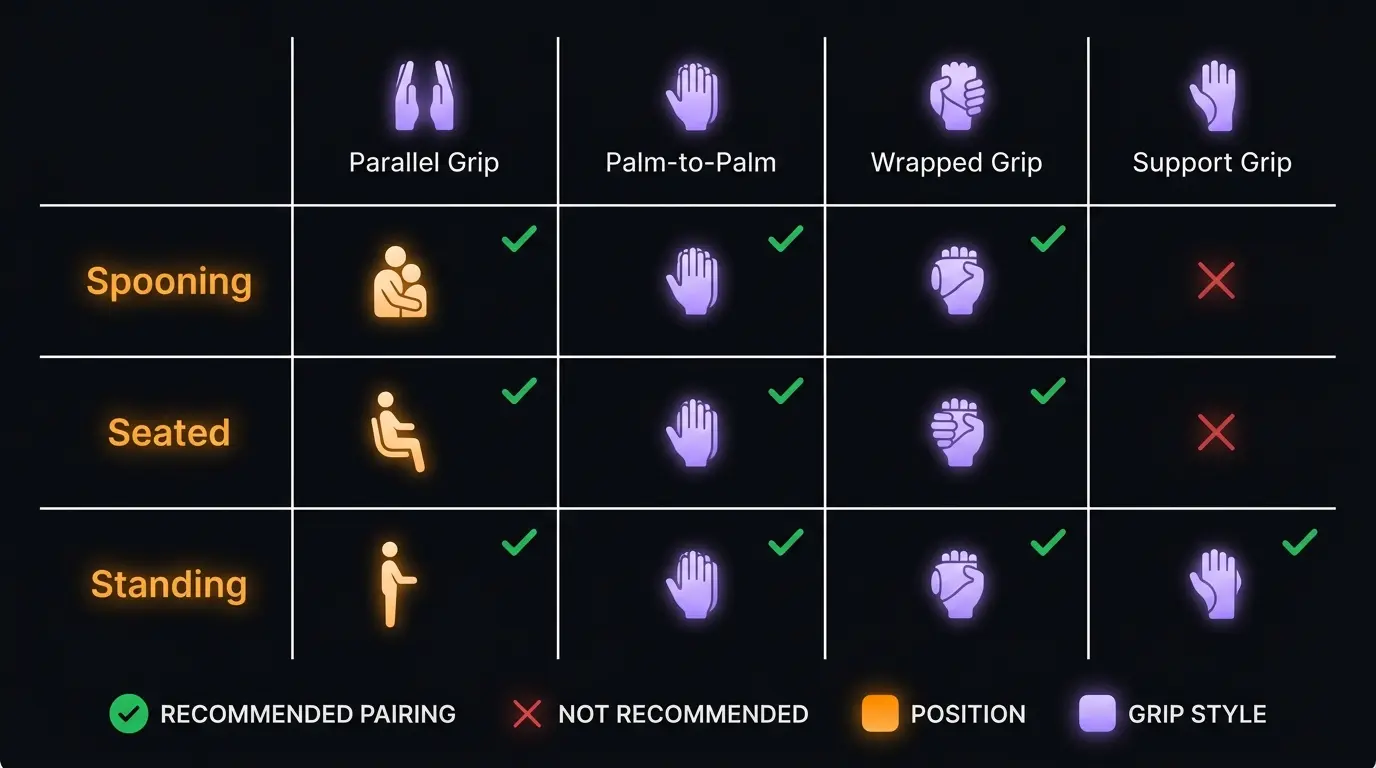
Which Grip Works Best for Each Position?
Selecting a grip that conflicts with the biomechanical realities of your posture guarantees rapid muscular fatigue, compromised rhythm, and severely suboptimal pressure. Optimizing the correlation between positional alignment and grip choice ensures both sustainability and maximum efficiency.
Spooning: Reverse Grip or Basic Wrap
The spooning position aligns both partners laterally, facing the same direction. This configuration severely restricts the posterior partner’s forward reach and nearly eliminates internal shoulder rotation.
The Reverse Grip is the ultimate solution: by sliding the arm beneath or around the partner’s hip, the supinated hand naturally aligns with the downward angle of the recipient’s anatomy, preventing wrist strain. The Basic Wrap serves as a reliable secondary option for broader, less targeted stimulation.
Seated Behind: C-Clamp or Corkscrew
When the recipient is seated directly between the practitioner’s legs, the functional workspace expands significantly. This geometry provides unrestricted bilateral access while maintaining the psychological intimacy of a rear-approach.
The C-Clamp thrives in this posture: leverage from the stabilized torso allows targeted pressure to the coronal ridge without straining the deltoid or trapezius. The Corkscrew is equally effective here, as the unrestricted spatial volume allows full forearm rotation for the twisting motion.
Standing: Double Stack or Thumb Rider
Standing postures provide maximum range of motion and mechanical leverage. The Double Stack becomes devastatingly effective, as both arms extend freely utilizing the larger muscle groups. The Thumb Rider is equally potent from a standing or kneeling approach: the downward trajectory naturally aligns the thumb with the dorsal nerve, allowing gravity to assist in applying pinpoint pressure.
| Position | Primary Grip | Secondary Grip | Rationale |
|---|---|---|---|
| Spooning | Reverse Grip | Basic Wrap | Supinated wrist aligns naturally; prevents shoulder impingement |
| Seated Behind | C-Clamp | Corkscrew | Unrestricted access allows targeted micro-adjustments and full rotational torque |
| Standing / Kneeling | Double Stack | Thumb Rider | Maximum spatial envelope; capitalizes on downward mechanical leverage |
For a comprehensive breakdown of spatial geometries and postural biomechanics, see Reach Around From Behind: Positions and Angles.
How to Switch Grips Without Killing the Rhythm
Neurological arousal is a fragile state highly dependent on continuous, uninterrupted sensory input. The abrupt cessation of stimulation causes a rapid drop in localized blood flow, an immediate decrease in intracavernosal pressure, and a sharp decline in mechanoreceptor firing rate, effectively stalling the arousal trajectory.
The solution: overlapping boundaries.
When switching from one grip (such as the Basic Wrap) to a more complex grip (such as the Corkscrew), the secondary hand must establish firm contact before the primary hand releases. This overlapping action maintains a constant baseline of tactile data streaming to the nervous system, ensuring the arousal plateau does not degrade.
Grip transitions also present the ideal micro-window for re-lubrication. A dry transition introduces massive, unwanted shear forces that cause immediate pain signaling. Pain input instantly triggers a sympathetic override, terminating arousal.
For a detailed analysis of maintaining momentum and preventing arousal collapse, see 5 Common Reach Around Mistakes.
🏆 Premium Pick for Grip Transitions: Swiss Navy Silicone Lube
Ultra long-lasting, stays on the surface for unbroken grip changes. Rated 4.7/5
Shop on EdenFantasys ➜Grip Pressure Calibration: How Tight Is Too Tight?
The calibration of radial force is the most critical variable in manual stimulation. Insufficient pressure fails to trigger the deeper mechanoreceptors. Excessive pressure induces severe vascular restriction, potential structural damage, and long-term conditioning issues.
The Death Grip Zone (Avoid)
Extreme, unyielding compressive pressure characterizes the “Death Grip Zone.” While this force may temporarily produce a climax in desensitized individuals, chronic reliance trains the nervous system to establish an artificially high, unsustainable threshold for arousal.
Over time, the recipient experiences severe sensory adaptation: a state where the nervous system actively filters out normal stimuli, rendering standard sensations entirely imperceptible. This desensitization is frequently cited as a primary catalyst for delayed ejaculation and inability to climax. Reversing this requires a strict regimen of reducing friction and retraining the nervous system with lighter touches.
The Sweet Spot (Dynamic Range)
The optimal pressure profile perfectly mimics the natural elasticity and dynamic resistance of biological tissues. The applied pressure must be firm enough to increase intracavernosal pressure and prevent mechanical buckling during axial movement, yet compliant enough to allow for subtle blood flow adjustments and frictionless gliding.
In this zone, the grip actively adapts to the physical cues of the recipient: tightening reflexively during upward strokes to trap blood within the glans, and relaxing slightly on the descent to allow for vascular refilling.
The Feather Zone (Pre-Climax)
The Feather Zone utilizes the absolute minimum required force, prioritizing ultra-light, localized tactile input aimed exclusively at the superficial layers. By drastically reducing pressure to a near-hover state, this zone specifically targets low-threshold mechanoreceptors. Exceptionally effective during the prolonged plateau phase (edging), it keeps the nervous system in extremely high excitation without providing the deep compression required to trigger the final reflex.
| Pressure Zone | Force Level | Receptor Targeting | Long-Term Risk |
|---|---|---|---|
| Death Grip | Excessive (> 30 mmHg) | Severe adaptation; numbness | Desensitization, delayed ejaculation |
| Sweet Spot | Dynamic (10 to 20 mmHg) | Optimal Pacinian firing | Sustained engorgement, safe tissue load |
| Feather Zone | Light (< 5 mmHg) | Meissner’s targeting | Prolonged plateau, heightened anticipation |
For a comprehensive exploration of rehabilitating desensitized tissue, see 5 Common Reach Around Mistakes.
Adding Vibration to Your Grip
The strategic integration of external vibrational frequencies fundamentally alters the sensory landscape of manual stimulation. Human skin is densely embedded with Pacinian corpuscles: specialized nerve endings designed to detect rapid vibrations and deep mechanical pressure.
When standard manual grips are augmented with localized, high-speed vibration, the nerve signaling ascending to the brain is multiplied exponentially. Specialized finger vibrators or oscillating silicone rings worn on the practitioner’s digits allow seamless combination of structural compression (the manual grip) and high-frequency neuromodulation (the vibration).
This dual-layered sensory input can effectively bypass mild to moderate forms of sensory adaptation, forcing the nervous system to process incredibly complex stimulation that drastically reduces the time required to reach climax.
💍 Best Vibration Upgrade: His and Hers Vibrating Ring
Hands-free vibration for both partners. Enhances any grip style instantly. Rated 4.5/5
Shop on EdenFantasys ➜✨ Pinpoint Frenulum Stimulation: Lustique Bullet Vibrator
Compact, powerful, and perfect for the Two-Finger Glide technique. Rated 4.4/5
Shop on EdenFantasys ➜To ensure compatibility between silicone vibration devices and personal lubricants, see Best Lubes for a Reach Around: 2026 Honest Review.
Frequently Asked Questions
What is the best grip for a reach around?
It depends entirely on the postural configuration. From a lateral spooning position, the Reverse Grip is the most structurally efficient: the supinated (palm-up) forearm posture aligns the shoulder and elbow perfectly with the recipient’s anatomy, reducing joint torque and muscular fatigue. The supinated approach also directs force toward the sensitive ventral side, targeting the frenulum without awkward wrist flexion. If seated behind, the C-Clamp is superior due to the expanded workspace allowing pinpoint coronal targeting.
Should I change grips during a reach around?
Yes. Continuous variation is physiologically necessary to prevent sensory adaptation. The central nervous system is designed to filter out predictable, repetitive stimuli. When a single grip is used without alteration, mechanoreceptors rapidly habituate, resulting in a plateau or decline in perceived pleasure. By transitioning between mechanically distinct grips (for example, shifting from the broad Basic Wrap to the torsional Corkscrew), you force neural pathways to continuously process novel tactile information, sustaining high arousal levels.
Does grip style affect how fast my partner finishes?
Absolutely. Grips that maximize surface contact and utilize bi-manual mechanics (the Double Stack) physically trap maximum blood volume, pushing internal pressure to its peak. When combined with targeted stimulation of the dorsal nerve (Thumb Rider) or frenulum (Two-Finger Glide), the barrage of nerve signals rapidly crosses the ejaculatory threshold. Conversely, broad uniform pressure (Basic Wrap) at a slower cadence deliberately delays climax, facilitating edging.
Which grip is best for uncircumcised partners?
For anatomies retaining the intact foreskin, the mechanics change significantly. The objective shifts from sliding skin with external lubrication to utilizing the natural elasticity and mobility of the foreskin to stimulate the glans internally. The C-Clamp and Basic Wrap are extraordinarily effective: grasp the outer layer firmly enough to prevent slippage, pulling the foreskin forward to envelop the glans on the upward stroke and retracting past the coronal ridge on the descent. The Corkscrew is generally less effective for uncircumcised anatomies, as rotational forces can cause uncomfortable twisting of the foreskin.
Key Takeaways
- Biomechanics beat speed: Calculated radial compression through precise grip selection is infinitely more effective for sustaining arousal than rapid, superficial friction that merely irritates the surface
- Prevent sensory adaptation: The nervous system actively mutes repetitive stimuli. Rotating through the 7 distinct grip styles guarantees fresh, dynamic tactile input that sustains the arousal curve
- Ergonomics dictate endurance: Selecting a grip that aligns with your kinematic chain (such as the Reverse Grip during spooning) prevents premature muscular fatigue and maintains rhythmic consistency
- Transition with overlapping boundaries: Never break contact during grip transitions. Maintain momentum by overlapping the hands and executing fluid re-lube protocols to prevent pain signaling
- Avoid the Death Grip Zone: Chronic excessive pressure destroys localized sensitivity, causing severe adaptation that manifests as delayed ejaculation and performance anxiety
- Leverage vibrational technology: Augmenting mechanical grips with external vibration devices activates deep-tissue Pacinian corpuscles, exponentially amplifying sensory feedback to the brain
Master the foundational techniques: Return to our Ultimate Guide to the Reach Around Handjob for the complete deep-dive.
New to this? Start with Reach Around for Beginners: Everything You Need to Know to build your baseline.
Fix ingrained errors: Review 5 Common Reach Around Mistakes (And How to Fix Them).
🛒 Shop Premium Enhancement Tools on EdenFantasys
Lubricants, vibrating rings, and finger vibrators. Free shipping on orders $59+
Browse the Full Collection ➜Watch real techniques in action: Browse our curated HD video library.