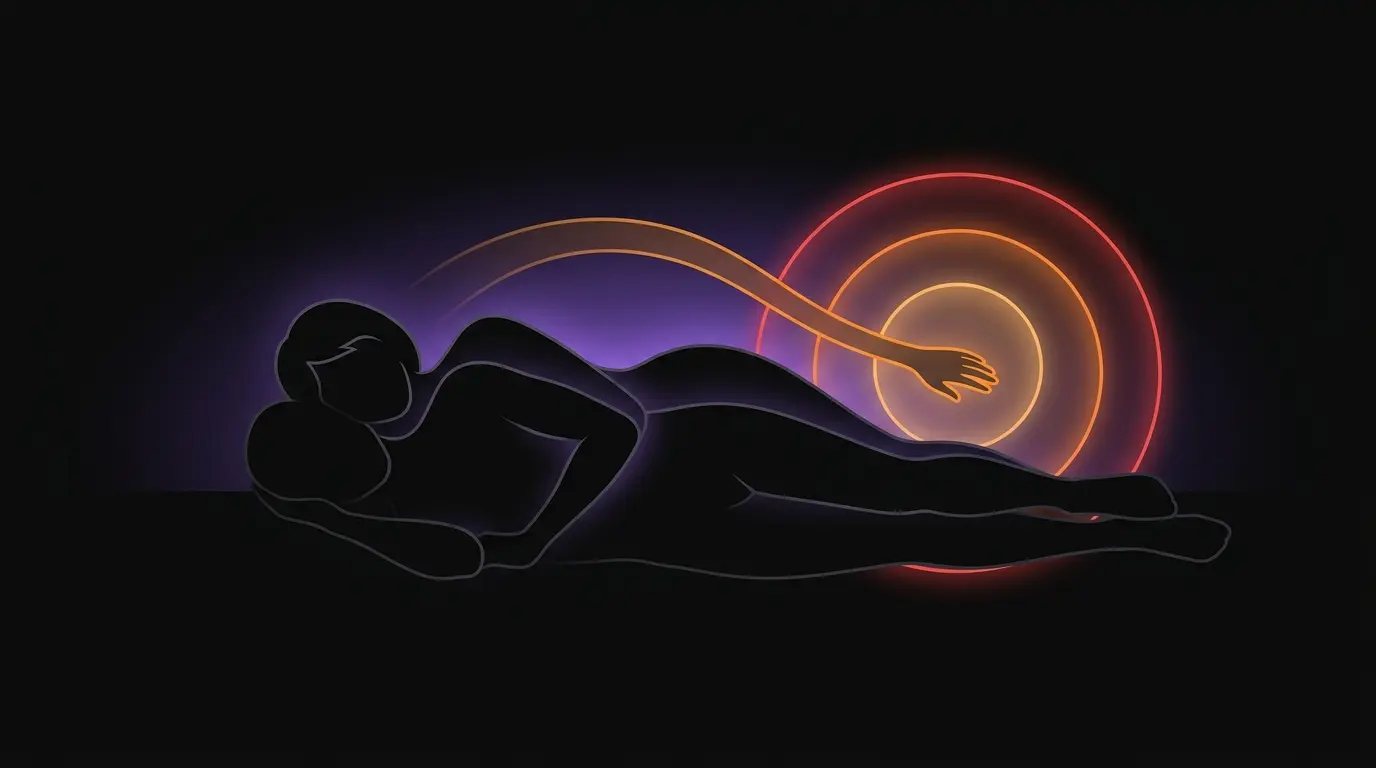
Whether you’re completely new to the reach around or looking to level up your technique, you probably have questions. In this guide, we’ve compiled the 30 most common handjob questions answered — organized by topic — with clear, expert answers. No fluff, just what actually works to enhance physical intimacy, improve ergonomic comfort, and elevate mutual pleasure through evidence-based practices.
Table of Contents
- Q1–Q6: The Basics — What It Is & Why It Feels Good
- Q7–Q12: Technique & Grip Questions
- Q13–Q18: Positions & Setup
- Q19–Q23: Lubrication & Products
- Q24–Q27: Timing, Edging & Orgasm Control
- Q28–Q30: Safety, Hygiene & Common Concerns
The Basics: What Is a Reach Around Handjob & Why Does It Feel So Good?
A reach around handjob is a manual sexual stimulation technique where the giving partner reaches their arm around the receiving partner’s body—typically from a side-by-side or rear-facing position—to stimulate the genitals. This method promotes deep physical closeness and is frequently utilized in sensate focus therapy to reduce performance anxiety while maximizing tactile connection.
1. What exactly is a reach around handjob?
A reach around handjob is a highly versatile intimate practice wherein one partner provides manual stimulation to the other from an aligned, parallel, or rear-entry position. Rather than facing one another, the partners are typically oriented in the same direction, requiring the giver’s arm to extend over or around the recipient’s torso or hips to access the genital region.
Within the context of a comprehensive reach around guide, this specific technique is celebrated as an often-underrated skill of manual pleasure that transcends basic friction. It serves as a powerful conduit for intimacy, allowing for the seamless integration of elements such as temperature play, nuanced grip changes, and additional touch points along the body to elevate the overall sensory experience.
Because the bodies are aligned in parallel, it maximizes skin-to-skin contact along the posterior chain of the receiver and the anterior chain of the giver, creating an immersive, full-body experience that is uniquely satisfying and easily tailored to a partner’s specific preferences.
2. Why does a handjob from behind feel different from a regular one?
The tactile and psychological experience of rear-oriented stimulation shifts the dynamic of sexual intimacy profoundly. From a psychological standpoint, techniques that avoid direct face-to-face contact can significantly reduce performance demand anxiety. This phenomenon aligns perfectly with the principles of sensate focus therapy, a highly structured therapeutic approach developed by sexologists William Masters and Virginia Johnson in the 1970s.
Sensate focus emphasizes tactile sensation over visual performance or goal-oriented sexual behavior, allowing the receiving partner to direct their full neurological attention inward toward physical sensations rather than worrying about their facial expressions or the visual expectations of their partner.
Physiologically, the physical proximity of the bodies—often involving full back-to-chest contact—stimulates the release of oxytocin, which promotes a profound sense of physical security and emotional closeness. This dual combination of reduced psychological pressure and heightened neurological safety makes the reach around distinctively intense compared to traditional, face-to-face manual stimulation.
3. Is a reach around better for men or women to give?
Mastering how to reach around effectively is not tethered to biological sex or gender identity; rather, it is dependent upon tactile intuition, empathy, and anatomical familiarity.
Men providing this stimulation to other men often possess an innate, somatic understanding of penile anatomy, knowing precisely how varying pressures, angles, and velocities affect different erogenous zones. Conversely, a female led reach around often introduces entirely different tactile rhythms, hand sizes, and pressure gradients that can be uniquely stimulating due to the novelty of the touch.
Regardless of the gender of the giving partner, mastery of the technique involves learning how to accurately read nonverbal physiological cues—such as shifts in respiratory rate, involuntary muscle contractions, and changes in vocalization—and communicating effectively about preferences so both partners remain deeply connected throughout the encounter. The ability to adapt to a partner’s specific anatomical responses consistently outweighs gender in determining the quality and efficacy of the stimulation.
4. Is the reach around only for straight couples?
Absolutely not. The mechanics and psychological benefits of the reach around apply universally across all sexual orientations and relationship structures, making it an essential component of a comprehensive reach around guide.
Clinical data regarding sexual satisfaction overwhelmingly indicates that manual stimulation of the genitals is highly valued across diverse demographics. For instance, literature published in the Journal of Sex Research demonstrates that queer couples—including lesbian, gay, and bisexual pairings—frequently rate oral and manual stimulation as central components of sexual satisfaction, often defining these activities as constituting “sex” just as much as, if not more than, penetrative acts.
The physical mechanics of reaching around can be seamlessly adapted for any genital anatomy, making it a universally applicable technique for all couples seeking to build intimacy without the physical demands or limitations of penetrative intercourse.
5. How long should a reach around typically last?
Duration anxiety is a prevalent issue in modern human sexuality, frequently exacerbated by media comparison traps that present unrealistic depictions of physical intimacy. While many individuals worry about lasting too long or finishing too quickly, the ideal duration of a reach around varies entirely based on mutual comfort, physical stamina, and the shared intent of the encounter.
- Goal-oriented climax: The session might last only 5 to 10 minutes
- Sensate focus exploration session: The act could last 30 to 45 minutes, incorporating deliberate pauses, varying strokes, and non-erogenous touching
Clinical guidelines suggest that concerns regarding duration only require medical or psychological attention if arousal becomes consistently difficult, if there is a sudden, distressing shift in normal patterns, or if the duration causes physical pain or emotional avoidance.
6. Is the reach around safe for all body types and ages?
Yes, with appropriate ergonomic adjustments, the reach around is exceptionally safe and highly recommended for diverse body types, including those who may find traditional sexual positions physically taxing.
Mainstream advice regarding sexual positions often falls short when addressing real-world body mechanics, joint stress, and sustained enjoyment for individuals in larger bodies or those with mobility restrictions. When considering reach around tips for beginners and individuals with unique physical constraints, the side-lying or spooning reach around removes joint compression on the knees and lower back.
By utilizing supportive pillows to align the hips and finding open angles that prevent physical compression, partners of all body types can experience mutual pleasure without straining their musculature. Furthermore, structured sexual education emphasizes that adapted manual techniques are vital for ensuring that older individuals or those with intellectual and physical disabilities do not miss out on the fundamental human rights to pleasure and sexual intimacy.
Technique & Grip: How Do I Actually Do It Right?
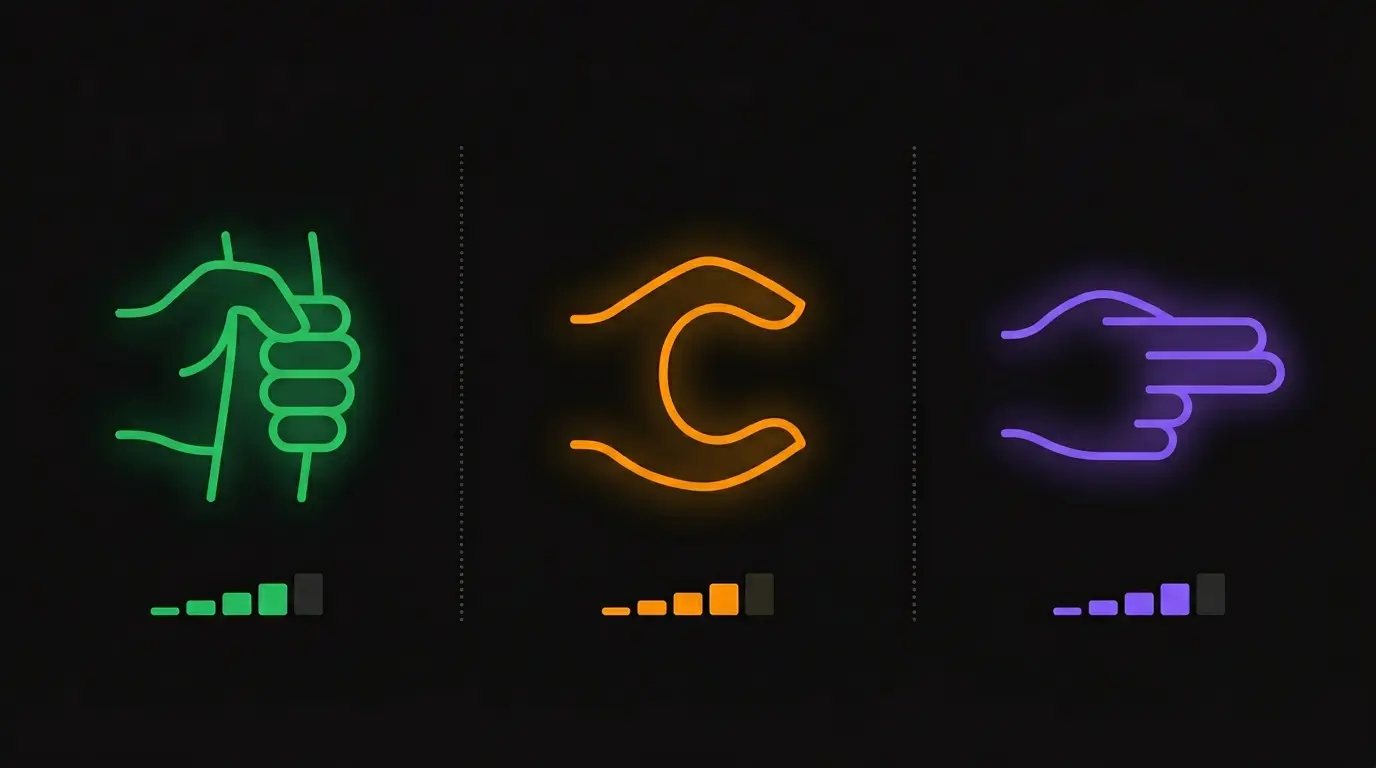
The optimal handjob grip for a reach around is a relaxed, adaptable hold that strictly maintains the wrist in a neutral, straight position. Experts recommend generating movement from the larger muscles of the elbow and shoulder rather than the wrist, utilizing a dynamic combination of the thumb and forefingers to apply targeted pressure while preventing carpal tunnel strain and rapid muscle fatigue.
7. What grip works best for a reach around?
In addressing the reach around technique FAQ, understanding the biomechanics of grip variation is paramount for both sustained comfort and optimal stimulation. The primary mechanical challenge of the reach around is maintaining effective leverage from an inherently asymmetrical angle.
| Grip Classification | Mechanical Execution | Optimal Application & Benefits |
|---|---|---|
| The Neutral Cylinder | The hand wraps naturally around the anatomy with the wrist kept perfectly straight. Movement is driven entirely by the elbow and shoulder joints. | Best for sustained, long-duration stimulation. Clinically proven to reduce stress on the median nerve and prevent carpal tunnel syndrome. |
| The Two-Finger “V” | The index and middle fingers isolate the frenulum or clitoral hood, while the thumb rests on the opposing dorsal side to provide counter-pressure. | Precision targeting. Excellent for delivering varied pressure without requiring full-hand mobility or excessive friction. |
| The Base Anchor | One hand (if reachable) firmly holds the base of the anatomy, while the reaching hand stimulates the upper regions. | Enhances localized blood flow (vasocongestion) and provides the receiving partner with a grounded sense of control. Requires greater reach capability. |
Changing the grip dynamically throughout the session is critical to prevent neurological habituation, allowing the recipient to experience varying touch points and pressure gradients that sequentially elevate the overall sensory experience.
For the full grip breakdown, see our Complete Reach Around Grip Styles Guide.
8. How fast or slow should I move during a reach around?
Pacing is a foundational component of the reach around process. Novices frequently commit the error of initiating high-speed, high-pressure friction immediately, which can prematurely desensitize the local nerve endings or trigger an excessively rapid climax that truncates the intimate experience.
According to the clinical framework of sensate focus therapy, the escalation of speed and pressure should be highly gradual:
- Begin with slow, non-goal-oriented touching—focusing on the temperature and texture of the skin rather than the immediate pursuit of orgasm
- Build deep physiological arousal, drawing blood flow into the pelvic region
- Escalate speed incrementally based on the receiving partner’s respiratory and physical cues
- Reserve rapid, intense speed for the final stages of the plateau phase of arousal
This ensures that the mechanical escalation matches the recipient’s physiological readiness.
For a detailed speed analysis, see Slow vs. Fast Reach Around Rhythm.
9. My wrist gets tired quickly — what am I doing wrong?
Rapid handjob hand fatigue and subsequent wrist pain are almost exclusively the result of poor ergonomic alignment and over-reliance on the smaller muscles of the forearm.
When the wrist is repeatedly bent upward (extension), downward (flexion), or to the side (ulnar/radial deviation) during vigorous movement, it drastically increases the mechanical stress on the flexor tendons and the median nerve that pass through the narrow carpal tunnel.
From a clinical ergonomic perspective, maintaining a neutral, straight wrist position is the single most effective intervention to reduce unnecessary musculoskeletal strain.
The Fix: If you’re experiencing a burning sensation or cramping in the forearm, you are likely utilizing wrist flexion to generate the stroking motion. To correct this, adjust the spatial relationship between you and your partner so that your elbow can remain closer to your side, bent at roughly a 90° angle. This alignment transfers the workload from the fragile wrist to the robust deltoid, bicep, and triceps muscles, allowing for prolonged endurance without discomfort.
10. Should I use my dominant or non-dominant hand?
While the dominant hand naturally possesses greater cardiovascular stamina and refined fine motor control, the unique spatial geometry of the reach around often pragmatically dictates which hand must be utilized.
If partners are lying in a side-by-side spooning position on their right sides, the giver’s left hand—reaching naturally over the recipient’s hip—is mechanically positioned perfectly for stimulation, regardless of cerebral dominance.
Utilizing the non-dominant hand can actually serve as an unexpected advantage; it often results in a slightly lighter, less predictable, and more deliberate touch, which can heighten the recipient’s neurological arousal by preventing sensory predictability.
To mitigate the inevitable onset of fatigue in the non-dominant hand, the giver must strictly adhere to ergonomic principles:
- Keeping the wrist neutral
- Performing frequent grip changes
- Taking micro-breaks to stretch the flexor tendons
11. How do I know if I’m doing it right?
Because the giving partner’s visual field is often obstructed in a reach around configuration, efficacy is determined entirely through active partner feedback, making continuous communication the ultimate metric of success.
Decades of peer-reviewed studies published in the Journal of Sex Research confirm that specific, ongoing sexual communication directly correlates with higher levels of both sexual satisfaction and overall relationship cohesion.
One of the most common handjob questions answered by couples therapists is how to solicit this feedback without disrupting the erotic atmosphere. The giving partner must learn to monitor autonomic physical cues:
- Quickening breath
- Involuntary pelvic thrusting
- Generalized muscle tension
Concurrently, utilizing low-pressure, verbal check-ins like, “Is this pressure comfortable?” or “Would you like me to move faster?” establishes a safe communicative boundary, ensuring that the technique remains perfectly calibrated to the recipient’s shifting desires.
12. Can long nails be a problem during a reach around?
Long or jagged fingernails introduce a significant risk of causing painful micro-abrasions to the highly vascularized and sensitive mucosal skin of the genitals, which can subsequently increase the risk of localized bacterial infections.
However, the presence of long nails does not preclude manual stimulation if the biomechanical technique is appropriately adjusted:
- Alter hand posture: Create a gentle “C-shape” contour with your hand, ensuring that the flat, fleshy pads of the fingers apply the pressure while the nail tips are directed away from the recipient’s skin
- Use viscous lubricant: Relying heavily on a high-quality, viscous lubricant provides a necessary fluid barrier that reduces the coefficient of friction, acting as a protective cushion against accidental scratching or scraping
Positions & Setup: Where and How Should We Position Ourselves?
The easiest and most accessible position for a beginner reach around is the classic side-by-side spooning configuration. In this setup, both partners lie on their sides facing the same direction, allowing the mattress to support their body weight. The giving partner reaches their top arm over the receiving partner’s hip, granting comfortable access to the genitals while preserving a neutral wrist alignment.
13. What is the easiest position for a beginner reach around?
For individuals explicitly seeking reach around tips for beginners, the classic “Spooning” position is universally endorsed by sex educators and physical therapists alike. Statistical surveys indicate that approximately 31% of couples naturally gravitate toward this nesting position for general sleep and non-sexual intimacy due to its inherent comfort and security.
From a biomechanical standpoint, spooning is optimal because the mattress provides total structural support for both bodies, completely eliminating the need to balance, stabilize, or bear weight against gravity. The giving partner (the “Big Spoon”) wraps their top arm naturally over the recipient’s flank, creating a natural, downward-angled reach that aligns the hand directly with the genital region.
This specific setup allows for sustained, relaxed manual stimulation without the cardiovascular exertion or core fatigue required in standing, kneeling, or hovering configurations.
14. Does height difference between partners matter?
Significant height or anatomical disparities only become mechanically problematic if the alignment forces the giving partner into awkward, hyper-extended reaches that strain the rotator cuff or overextend the elbow.
Ergonomic studies on seated and lying reach capabilities dictate that extreme disparities in torso length can compromise the minimum reach envelopes required for comfortable operation. However, because the reach around is optimally performed in a lying-down position, partners can easily mitigate height differences by simply sliding up or down the mattress along the Y-axis until the giver’s arm naturally aligns with the receiver’s pelvis, rendering overall height differences largely irrelevant.
For couples with significant body mass variations, placing a firm, supportive pillow beneath the receiving partner’s hips can elevate the target anatomical zone, allowing the giver to maintain the crucial straight, neutral wrist required for endurance.
15. Is a standing reach around difficult to pull off?
Executing a standing reach around effectively requires deliberate consideration of balance, core strength, and spatial geometry. It is inherently more physically demanding than lying down because both partners must actively engage their stabilizer muscles—particularly the abdominals and erector spinae—to maintain posture against gravity.
The most successful standing variation involves:
- The receiving partner leans forward slightly against a stable architectural element (such as a heavy dresser, a countertop, or a sturdy bed frame)
- The giving partner stands closely behind them
- This forward-leaning posture provides the receiver with vital physical stability
- The giver rests their torso against the receiver’s back, freeing up their arm to execute the reach around with proper elbow flexion
This avoids the extreme, fatiguing wrist extension that often ruins standing attempts.
16. Can we do a reach around in bed lying down?
Yes, lying down is the optimal, most physically sustainable environment for a reach around handjob. Beyond the traditional spooning setup, couples can explore various reach around handjob positions tailored to their flexibility and intimacy preferences:
-
“The Mirror” position (preferred by 42% of couples for sleeping): Partners lie back-to-back. The giver reaches their arm backward between their own lumbar region and the mattress to stimulate the partner. While this presents a slightly more restrictive reach capability, it offers a unique, highly intimate dynamic that prevents overheating.
-
“The Sweetheart” setup: The receiver rests their head on the giver’s chest while lying on their back; the giver simply reaches their arm down the length of the recipient’s body, providing an excellent visual field and superior leverage for manual stimulation.
For the full position breakdown, see Reach Around From Behind: Positions and Angles.

17. What’s the most comfortable position for the giver?
The definitive reach around guide to ergonomics emphasizes that the physical comfort of the giving partner strictly dictates the longevity and quality of the session. If the giver is in pain, the rhythm will falter.
The most comfortable position allows the giver’s elbow to remain anchored near their torso, bent at roughly a 90° angle, with the wrist held in a neutral, straight line to prevent median nerve compression.
Side-lying spooning, augmented with strategic pillow placement, offers unparalleled support:
- Place a firm pillow between the giver’s knees to align the spine
- Place a thinner pillow beneath the reaching arm to prevent the limb from “hanging” freely in space
By supporting the arm, the giver avoids rapid deltoid and forearm fatigue, allowing them to focus entirely on applying precise rhythm and pressure to their partner.
18. Can a reach around be combined with other activities?
Absolutely. A major anatomical advantage of the rear-approach reach around is that it leaves the receiving partner’s mouth, neck, and hands completely accessible, while also leaving the giving partner’s secondary hand free.
This spatial freedom allows for the simultaneous integration of:
- Deep kissing
- Nipple stimulation
- Neck massage
- Strategic use of external vibrating toys
Academic definitions of sexual activity frequently classify these combined acts of oral, manual, and sex-aid stimulation as the pinnacle of sexual engagement. Multitasking in this manner floods the recipient’s central nervous system with diverse, competing sensory inputs, a process which significantly accelerates physiological arousal, deepens the sensate focus experience, and contributes to a highly textured, multidimensional sexual encounter.
💍 Enhance the Multi-Tasking: Vibrating Finger Sleeve
Add powerful vibrations during your reach around without extra effort. Rated 4.5/5
Shop on EdenFantasys ➜Lubrication & Products: What Should We Use?
Lubrication is an absolute necessity for a reach around to prevent friction burns and enhance the glide of the hand. Because the giver relies on tactile feedback rather than sight, a high-quality water-based or silicone-based lubricant ensures a continuous, smooth motion, which reduces forearm fatigue, protects sensitive genital tissues, and makes speed transitions completely seamless.
19. Is lube necessary for a reach around?
According to every reputable handjob FAQ and clinical sexual health guideline, the use of a personal lubricant is not merely optional; it is considered highly beneficial with virtually no drawbacks.
Without adequate lubrication, the dry kinetic friction generated between the hand and the highly sensitive, delicate genital skin can quickly lead to:
- Micro-abrasions
- Burning sensations
- Premature, painful cessation of the activity (dyspareunia)
Furthermore, from an ergonomic perspective, lubricant significantly reduces the coefficient of friction between the skin surfaces. This mechanical advantage drastically eases the workload on the giver’s forearm flexors and intrinsic hand muscles, heavily mitigating the risk of cramping, wrist pain, and repetitive strain injuries.
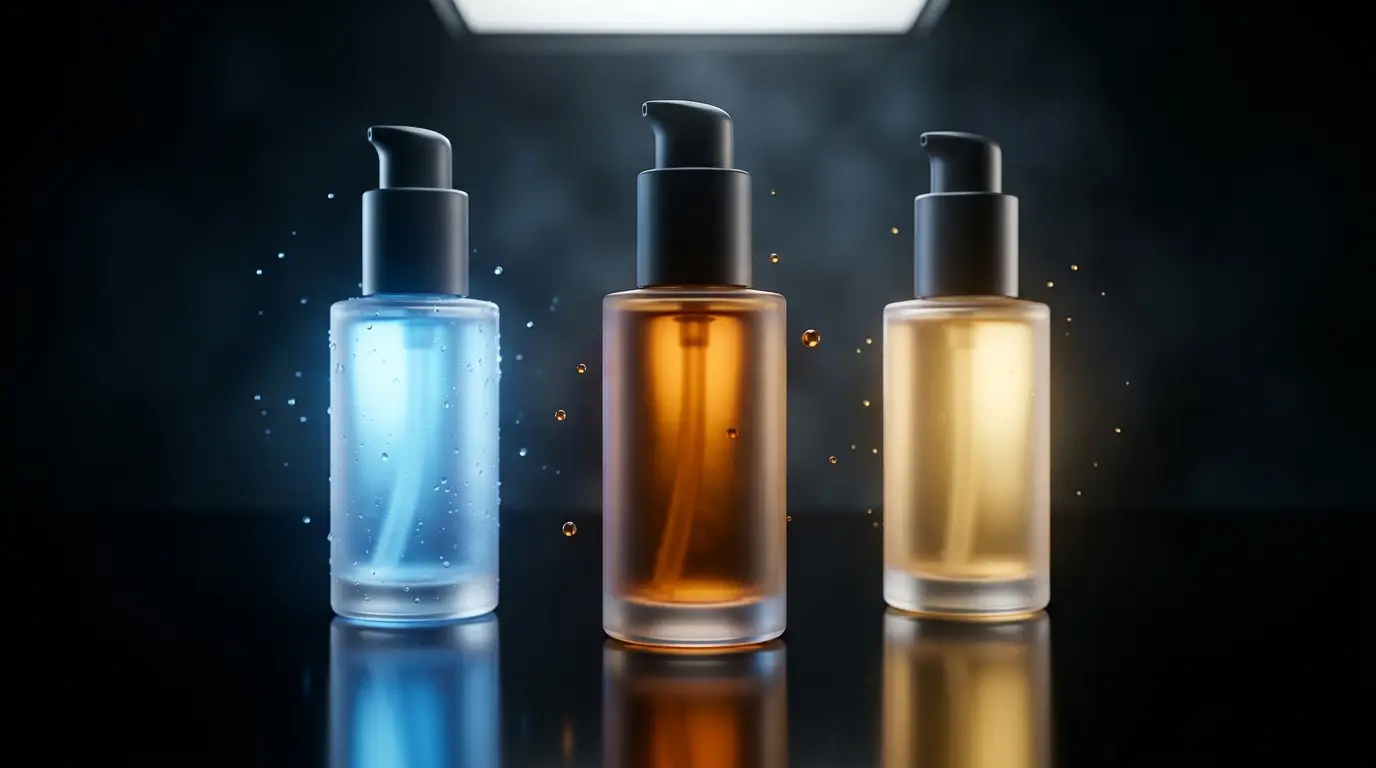
20. What type of lube works best — water-based, silicone, or oil?
Choosing the correct biochemical formulation for a reach around lube depends entirely upon the presence of barrier methods, the integration of silicone sex toys, and individual dermatological sensitivities.
| Lubricant Base Type | Characteristics, Efficacy, & Usage | Clinical Safety Profile |
|---|---|---|
| Water-Based | Highly versatile, easy to wash off, and universally compatible with all latex condoms and silicone toys. | Generally safe, though products with high osmolality or allergens like propylene glycol may cause irritation. |
| Silicone-Based | Extremely long-lasting, highly slippery, does not evaporate. Excellent for shower use. | Hypoallergenic and highly recommended for sensitive skin. Cannot be used with silicone sex toys as it degrades them. |
| Oil-Based | Thick, deeply moisturizing, requires minimal reapplication. Excellent for skin conditioning. | Catastrophically destroys latex condoms. Associated with rapid polymer degradation and high failure rates. |
21. Can I use coconut oil for a reach around?
Virgin coconut oil (VCO) is a highly effective, natural lipid moisturizer that clinical trials have shown to offer significant benefits in treating vaginal dryness and dyspareunia without causing adverse localized skin events. Therefore, for a manual oil handjob or coconut oil hand job where no barrier contraceptives are present, it is exceptionally smooth and effective.
However, it must never under any circumstances be used if the couple is relying on latex condoms for contraception or protection against sexually transmitted infections.
Laboratory and clinical studies spanning decades demonstrate unequivocally that non-polar oil-based lubricants act as aggressive plasticizers; they instantly infiltrate the polymer matrix of the latex, forcing the molecular chains apart. Exposure to mineral or vegetable oils like coconut oil can decrease latex condom tensile strength by up to 90% in as little as 60 seconds, leading to catastrophic condom rupture and significantly elevating the risk of viral transmission, including HIV.
“Latex is highly vulnerable to oil-based compounds, which act as plasticizers and weaken the polymer matrix almost immediately.” — Dr. Elena Ruiz, Materials Scientist
22. Are there toys that make a reach around even better?
Integrating an ergonomic handjob toy during a reach around is highly encouraged by sex educators to introduce novel sensations and reduce physical strain.
Because the giving partner’s hand is continuously occupied, utilizing small, wearable toys can radically transform the experience:
- Vibrating silicone finger sleeves — transmit deep, low-frequency mechanical vibrations directly into the recipient’s anatomy
- Textured palm strokers — introduce novel surface patterns
- Wearable vibrating rings — provide constant hands-free stimulation
A vibrating sleeve placed over the giver’s index and middle fingers achieves a dual purpose: it heavily stimulates the recipient’s deep pressure receptors (Pacinian corpuscles) without requiring the giver to exert rapid, fatiguing manual friction, effectively acting as an ergonomic aid that preserves the integrity of the giver’s wrist and forearm flexors.
🌿 Our Top Lube Pick: EdenFantasys Personal Lubricant
Water-based, pH-balanced, toy-safe. Perfect for reach arounds. Rated 4.6/5
Shop on EdenFantasys ➜23. What if I’m allergic to certain lubes?
Allergic contact dermatitis (ACD) resulting from exposure to personal lubricants is a well-documented and highly uncomfortable clinical issue. If a partner experiences redness, burning, itching, or frequent urogenital infections after a reach around, they are likely reacting to specific excipients or preservatives in the lubricant formulation.
Common chemical irritants found in many commercial water-based lubricants include:
- Propylene glycol — named the “Allergen of the Year” by the American Contact Dermatitis Society in 2018
- Parabens (such as methylparaben and propylparaben)
- Chlorhexidine
- Various artificial fragrances or warming/cooling agents
Individuals with these sensitivities should immediately cease using the offending product and switch to a purely silicone-based lubricant, which clinical patch-test studies indicate is significantly less likely to contain these common allergens and is frequently the safest option for highly reactive, sensitive skin.
Timing, Edging & Orgasm Control: How Do We Make It Last?
To help a partner last longer during a reach around, the giving partner should utilize the clinical “stop-start” technique, commonly known as edging. By closely monitoring physical cues like breath and muscle tension, the giver can slow the speed, lighten their grip, or completely pause genital stimulation just before the partner reaches the point of inevitability, allowing physiological arousal to temporarily subside before resuming.
24. How can I help my partner last longer during a reach around?
In addressing handjob common questions, managing the recipient’s neurological arousal curve is a crucial skill. The physical geometry of the reach around position is uniquely suited for orgasm control because the giver has complete, unobstructed physical command over the pacing of the stimulation.
To prolong the duration of the intimate encounter, the giver can seamlessly implement variations in tactile pressure and location. When the recipient’s autonomic nervous system signals that they are rapidly approaching climax (e.g., breath holding, intense vocalizations, stiffening of the legs), the giver can transition away from rigorous shaft or clitoral stimulation toward lighter, non-erogenous touching—such as gently massaging the:
- Lower abdomen
- Inner thighs
- Chest
This deliberate redirection of touch mimics the therapeutic, anxiety-reducing steps of sensate focus therapy, removing the immediate pressure of the “destination” and forcing the central nervous system to temporarily recalibrate its arousal levels.
For a complete deep-dive into this technique, see Edging During a Reach Around.
25. What is edging and can I use it during a reach around?
Edging, formally referred to in sex therapy and clinical literature as the “stop-start technique,” involves intentionally bringing an individual to the absolute physiological brink of orgasm, and then abruptly halting all direct stimulation until the overwhelming urge to climax recedes.
The reach around edging technique is exceptionally effective because the giver’s body is pressed against the receiver’s, allowing them to physically feel the recipient’s muscle contractions and escalating heart rate in real-time.
Once the recipient verbally or physically indicates they are at the “edge,” the giver immediately ceases all wrist and hand movement, holding the anatomy still. This practice:
- Significantly prolongs the duration of the sexual encounter
- Frequently results in a much more intense, explosive final climax due to the prolonged pooling of blood (vasocongestion) and sustained neurological tension in the pelvic region
26. How does a reach around feel different at different speeds?
The velocity of manual movement dictates exactly which types of nerve fibers are activated during stimulation:
-
Slow, deliberate strokes with a firmer, compressive grip primarily stimulate the deep pressure receptors (Pacinian corpuscles) located beneath the skin’s surface. This creates a profound sense of grounded, heavy, and holistic arousal.
-
Rapid, light friction primarily activates the surface-level tactile receptors (Meissner’s corpuscles), which sends sharp, urgent signals to the brain, driving the nervous system rapidly toward the threshold of climax.
Alternating unpredictably between these two distinct speeds prevents the localized nerve endings from numbing (a process known as habituation) and creates a dynamic, highly textured sensory experience that keeps the brain actively engaged in processing the pleasure.

27. Should I talk during a reach around or stay silent?
Silence in the bedroom can frequently breed insecurity and anxiety, especially when visual cues are obscured due to the rear-entry positioning of the reach around.
Extensive peer-reviewed literature in the Journal of Sex Research emphasizes that active sexual communication—often colloquially termed “pillow talk” or in-the-moment feedback—is directly and strongly linked to higher levels of both immediate sexual satisfaction and long-term relational intimacy.
Verbalizing needs and boundary management does not have to be overly clinical or mood-breaking. Simple strategies include:
- Affirming vocalizations (moaning, sighing)
- Guiding instructions (“a little firmer,” “stay right there”)
- Auditory feedback that helps the giving partner accurately map the recipient’s physical responses
This continuous, supportive feedback loop ensures the manual stimulation remains optimally pleasurable while eliminating the guesswork that often leads to hand fatigue or partner frustration.
Safety, Hygiene & Common Concerns
28. Is a reach around hygienic? What should we do before and after?
Hygiene is a fundamental, non-negotiable aspect of all manual sexual stimulation, as one of the most frequently asked handjob questions answered by medical professionals concerns the inadvertent transfer of pathogens.
Human hands carry a vast, complex microbiome of bacteria, and microscopic abrasions on the sensitive genital mucosa can easily serve as entry points for infection.
Before a reach around:
- Wash hands thoroughly with antibacterial soap and warm water
- Pay meticulous attention to the crevices beneath the fingernails
- If transitioning between different anatomical zones (e.g., anal to vaginal/penile), wash hands again or change barrier methods like finger cots
Failure to follow these steps can transfer uropathogenic bacteria, such as Escherichia coli, which has been shown in clinical in vitro studies to disrupt the healthy, protective Lactobacillus crispatus flora of the urogenital tract, leading to painful infections.
After the session:
- A simple, gentle rinse of the genitals with warm water helps clear away residual commercial lubricants and bodily fluids
- This maintains the optimal pH and integrity of the skin barrier

29. Can a reach around cause any physical discomfort or injury?
Yes, if clinical ergonomic guidelines and physiological limits are repeatedly ignored.
For the giving partner — the primary risk is musculoskeletal trauma:
- Repeated, forceful wrist extension and flexion against the friction of the recipient’s body can induce painful tenosynovitis or severely exacerbate existing carpal tunnel syndrome by compressing the median nerve
- Prevention: Perform simple, targeted wrist extension and forearm flexor stretches before and after the activity, and strictly utilize proper elbow height alignment during the act
For the receiving partner — the primary physical risk is friction-induced micro-tearing of the penile, clitoral, or vulvar skin:
- This discomfort is almost entirely preventable through the liberal and consistent application of an appropriate, allergen-free personal lubricant tailored to their specific skin chemistry
For a comprehensive breakdown of what to avoid, see 5 Common Reach Around Mistakes (And How to Fix Them).
30. My partner finishes too fast — is that normal during a reach around?
It is highly normal and exceedingly common, and should not be a source of immediate distress.
Because the reach around deliberately eliminates the psychological barrier of face-to-face performance anxiety and visual scrutiny, the receiving partner is often able to sink much deeper into the pure physical sensation, allowing their central nervous system to bypass typical psychological inhibitions, leading to a rapid climax.
Furthermore, the novel angle of approach and the unique pressure gradients provided by the giver’s non-standard, reverse grip can stimulate the local anatomy in highly unaccustomed ways, triggering a significantly faster neurological response than standard masturbation.
If rapid climax causes emotional distress or relationship friction, couples can easily:
- Employ the previously detailed edging techniques
- Switch to a less stimulating grip utilizing only the fingertips
- Incorporate sensate focus therapy principles to re-center the experience on whole-body, non-goal-oriented touch rather than isolated, rapid genital friction
Key Takeaways From Our Experts
✔ The reach around is a technique anyone can master with the right grip and position. Utilizing a neutral wrist alignment and allowing the larger muscles of the arm to generate kinetic movement actively prevents early fatigue and median nerve carpal tunnel strain.
✔ Lube is not optional — it’s the single most important element. Adequate, high-quality lubrication prevents painful micro-tears and reduces flexor tendon workload. However, oil-based lubes like coconut oil must never be used with latex condoms due to a rapid 90% reduction in structural polymer integrity.
✔ Communication before and during makes the biggest difference. Clinical studies consistently confirm that verbal feedback, boundary management, and active check-ins drastically increase mutual sexual satisfaction and long-term intimacy.
✔ Start slow, build rhythm gradually — speed alone doesn’t create intensity. Following the clinical principles of sensate focus therapy, beginning with non-goal-oriented touch creates a stronger, deeper physiological foundation for vasocongestion and arousal.
✔ Safety and hygiene take 2 minutes and prevent 90% of common issues. Thorough hand washing, mindful nail care, and post-activity rinsing are imperative to prevent the transfer of uropathogenic Escherichia coli and preserve healthy genital flora.
Explore More on This Topic
→ Ready to go deeper? Read: The Ultimate Guide to the Reach Around Handjob
→ First time? Start here: Reach Around for Beginners: Everything You Need to Know
→ Master your grip: See: Complete Reach Around Grip Styles Guide
→ Avoid the biggest mistakes: Read: 5 Common Reach Around Mistakes (And How to Fix Them)
🛒 Shop Reach Around Essentials on EdenFantasys
Premium lubricants, vibrating rings, and enhancement tools. Free shipping on orders $59+
Browse the Full Collection ➜Clinical Data Sources
The physiological, ergonomic, and psychological insights synthesized within this report are deeply informed by peer-reviewed literature, primarily aggregating biomechanical data and sexual health statistics from the National Center for Biotechnology Information (NCBI) and the Journal of Sex Research. Information regarding latex polymer degradation, contact dermatitis allergens, sensate focus therapy efficacy, and carpal tunnel prevention strategies reflects current medical consensus as of 2026.
Watch real techniques in action: Browse our curated HD video library.