Whether you’re navigating long nails, considering gloves for a reach around, or simply want to ensure you’re doing things safely — this guide covers it all. From nail prep to hygiene protocols, lube safety, and avoiding common injuries, here’s the evidence-based framework couples actually need to make manual intimacy safe, comfortable, and injury-free.
The intersection of manual sexual stimulation, dermatological safety, and barrier methodology requires a nuanced understanding of human anatomy, biomechanics, and microbiology. Without proper protocol, routine stimulation can devolve into tissue trauma, pathogenic transmission, or chronic musculoskeletal strain for the practitioner.
Table of Contents
- Long Nails Handjob: What You Need to Know
- Gloves for Reach Around Handjobs: Types & Picks
- Hygiene Before, During & After a Reach Around
- Lube Safety: Which Oils Are Safe (and Which to Avoid)
- Injury Prevention: 5 Things That Cause Discomfort
- Expert Summary
Long Nails Handjob: What You Need to Know Before You Start
When evaluating the feasibility and safety of manual stimulation involving extended fingernails, understanding the mechanical and microbiological variables is critical. A long nails handjob requires precise biomechanical adjustments to prevent epithelial trauma to the highly innervated tissues of the male genitalia.
Can you give a reach around with long nails?
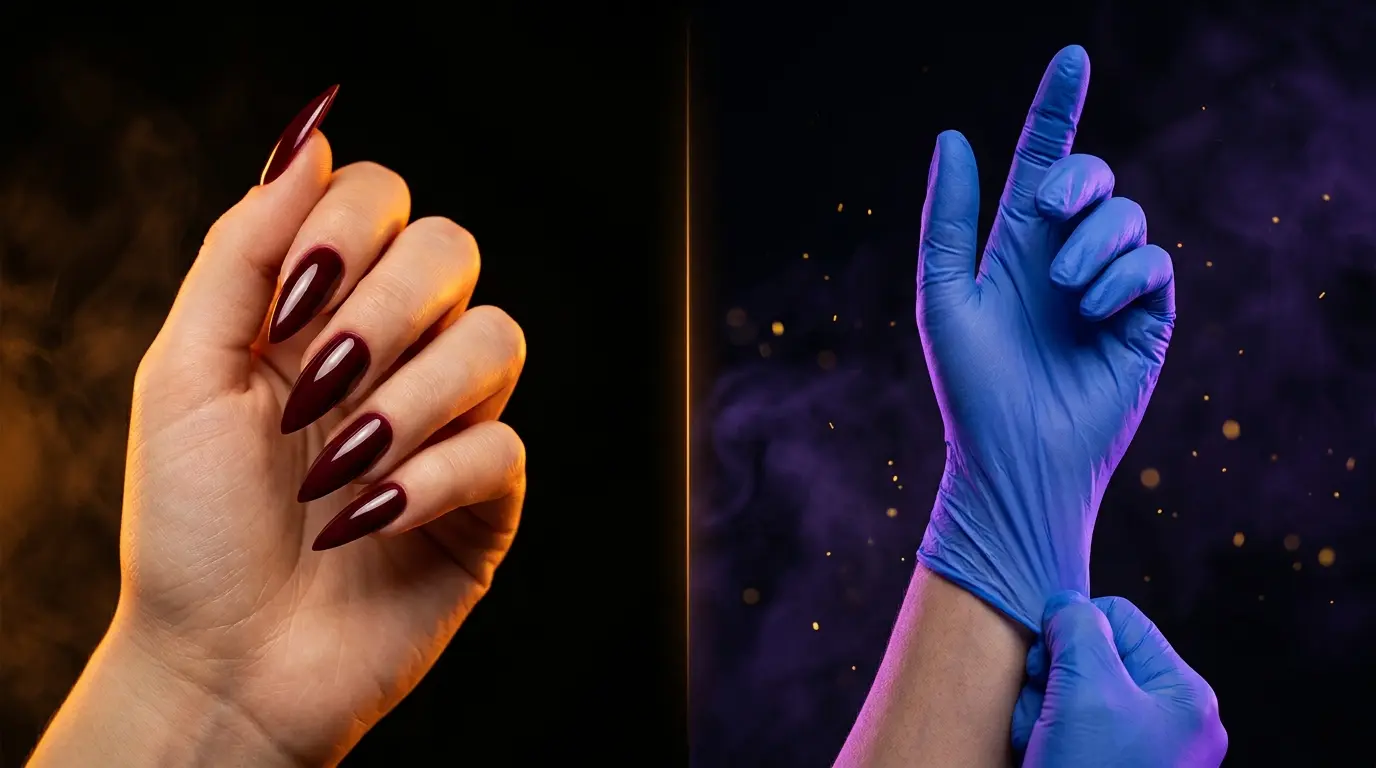
Yes — a reach around can be safely performed with long nails by significantly altering the manual grip. By utilizing the palmar pads, the thenar eminences, and maintaining a flat-finger approach, practitioners can deliver effective stimulation while completely eliminating sharp nail contact.
For a complete overview of technique adjustments, see our Ultimate Guide to the Reach Around Handjob.
Natural long nails vs. fake/acrylic nails — which is safer?
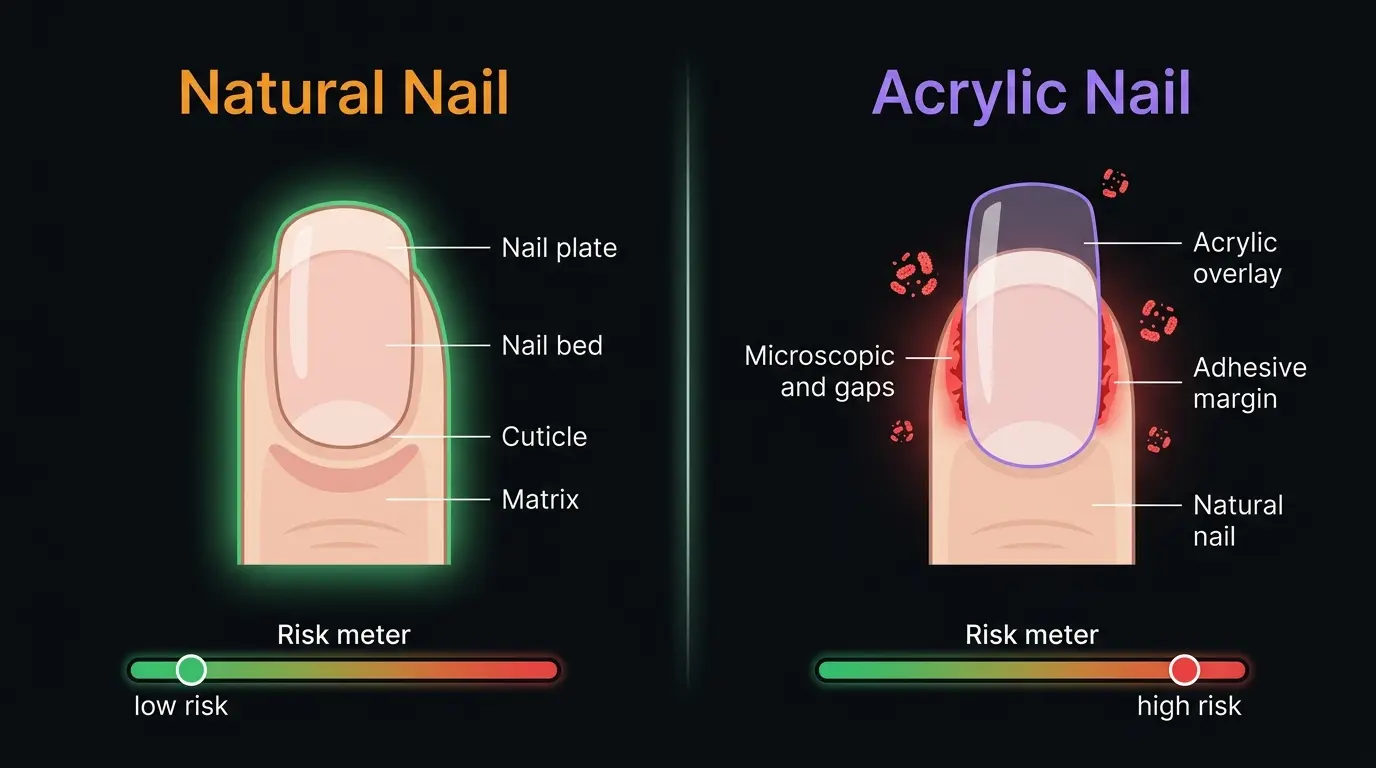
The structural and microbiological distinctions between natural keratinized nails and synthetic acrylic or gel extensions dictate entirely different safety protocols. When executing a fake nails handjob, practitioners must recognize that artificial enhancements present a substantially elevated risk vector for both mechanical injury and bacterial colonization.
Natural fingernails are composed of cross-linked keratin proteins. While they can grow to significant lengths, natural keratin possesses an inherent degree of flexibility. When subjected to perpendicular force, a natural nail will often bend or flex before piercing the stratum corneum. The junction between the natural nail plate and the hyponychium is relatively smooth, though it can still trap debris.
Artificial nails — whether formulated from liquid monomer and powder polymer (acrylics), hard builder gels, or dip powders — are engineered for extreme rigidity. Once cured, these synthetic resins lack the flexibility of natural keratin. This mechanical stiffness transforms a fake nails handjob into a high-risk activity if improper technique is utilized. If an acrylic nail snags or applies localized pressure, it will not yield; instead, it transfers the entirety of that force into delicate genital epithelium, causing immediate micro-lacerations or deeper tissue avulsions.
The microbiological profile of artificial nails is clinically concerning. Research within healthcare settings consistently demonstrates that artificial fingernails harbor pathogenic microorganisms at significantly higher rates than natural nails. The complex microstructure of acrylics — particularly the adhesive margins where synthetic material bonds to the natural nail bed — creates ideal micro-cavities for bacterial biofilms. Studies indicate that potential pathogens, including gram-negative bacilli (such as Pseudomonas aeruginosa) and pathogenic yeasts (such as Candida albicans), are isolated from artificial nails at exponentially higher rates (up to 92% in some clinical samples) compared to native nails.
As acrylic enhancements age, they often begin to lift from the natural nail bed, creating dark, moist subungual spaces that shield bacteria from mechanical scrubbing and surface-level surfactants — magnifying the potential for introducing foreign pathogens to the genital mucosa.
How to prepare long nails before a reach around
Thorough preparation of extended nails is the primary defense against epidermal tearing and pathogen transfer. This preparation must address both the physical edge of the nail and the subungual microbial load.
| Preparation Phase | Clinical Rationale | Recommended Action |
|---|---|---|
| Microbiological Cleansing | Acrylic and gel nails trap gram-negative bacilli, yeasts, and transient flora deep within microscopic crevices. | Utilize an antimicrobial soap and a dedicated subungual bristle brush. Follow with 70% isopropyl alcohol-based gel. |
| Mechanical Smoothing | Micro-abrasions, jagged keratin, or acrylic spurs on the nail edge act as microscopic saws against sensitive genital mucosa. | File all edges using a high-grit glass file or ultra-fine sanding block. Ensure corners are rounded (oval or squoval) rather than sharply squared or stiletto-shaped. |
| Visual & Structural Inspection | Chipped polish, sharp fragments, or lifting acrylics introduce secondary cutting edges and drastically enlarge bacterial reservoirs. | Inspect the ventral and dorsal surfaces under bright light. If the acrylic is lifting from the natural nail bed, consider covering lifting nails entirely. |
| Lubrication as a Mechanical Buffer | Reduces the coefficient of friction, minimizing traumatic impact if accidental nail contact occurs. | Apply a generous barrier of safe, highly viscous lubricant to both the practitioner’s hands and the receiving partner prior to initiating any contact. |
Grip adjustments that work with long nails
The anatomical reality of long nails necessitates a complete departure from the traditional cylindrical “fist” grip. Because the nails extend significantly past the distal phalanges, curling the fingers inward inevitably directs the sharp tips perpendicularly into the penile shaft.
The Palm Technique relies on the intrinsic muscles of the hand. Fingers remain extended, abducted, or only slightly flexed. Primary frictional and compressive forces are generated by the thenar eminence (the large, fleshy muscle mass at the base of the thumb) and the hypothenar eminence (the fleshy mass on the ulnar side of the palm). The practitioner’s hands essentially sandwich the anatomy, utilizing a sliding, hydrostatic gliding motion rather than targeted squeezing — entirely removing the distal phalanges from the primary stimulation zone.
The Overhand Grip involves approaching the anatomy from a superior angle, keeping the fingers flat and extended parallel along the dorsal aspect of the shaft, while the thumb wraps gently underneath the ventral aspect. This orientation aligns the nails parallel to the shaft rather than perpendicular to it. Even under deep pressure, the flat ventral surface of the fingers makes contact, while the nails glide harmlessly above the skin.
For more grip-specific technique guidance, see Reach Around Grip Styles: Which One Works Best?
Signals to stop immediately
Vigilance, active communication, and autonomic awareness are paramount during a long nails handjob. The emergence of specific physiological or verbal responses dictates an immediate cessation or adjustment of manual stimulation.
- Pain or a scratching sensation: A scratching sensation is an acute neurological indicator that the stratum corneum is being structurally compromised. Continuing past this point guarantees the creation of micro-cuts — direct entry vectors for sexually transmitted pathogens.
- Erythema (redness) and acute inflammation: While a certain degree of localized redness is a normal physiological response to arousal, acute, streaky, or rapidly spreading erythema suggests excessive mechanical shear stress. It may also indicate the onset of allergic contact dermatitis.
- Tactile resistance and loss of glide: If the tissues suddenly feel excessively dry or the gliding motion becomes hindered, the coefficient of friction has increased exponentially. This requires an immediate pause and generous reapplication of lubricant.
Gloves for Reach Around Handjobs: Types, Sensations & Best Picks
The integration of gloves into sexual practices has evolved from a niche hygienic precaution into a sophisticated methodology for altering tactile sensation, managing fluid exchange, and preventing structural injury. Utilizing gloves fundamentally transforms the tribology — the science of interacting surfaces in relative motion — of the sexual encounter.
Why use gloves during a reach around?
Gloves serve a critical, multi-factorial purpose: they establish an impermeable hygienic barrier against bidirectional STI transmission, they fundamentally alter and smooth tactile sensation by neutralizing the friction of human skin, and they provide an absolute physical shield that protects sensitive tissues from long or artificial nails.
Latex gloves — sensation, fit & safety
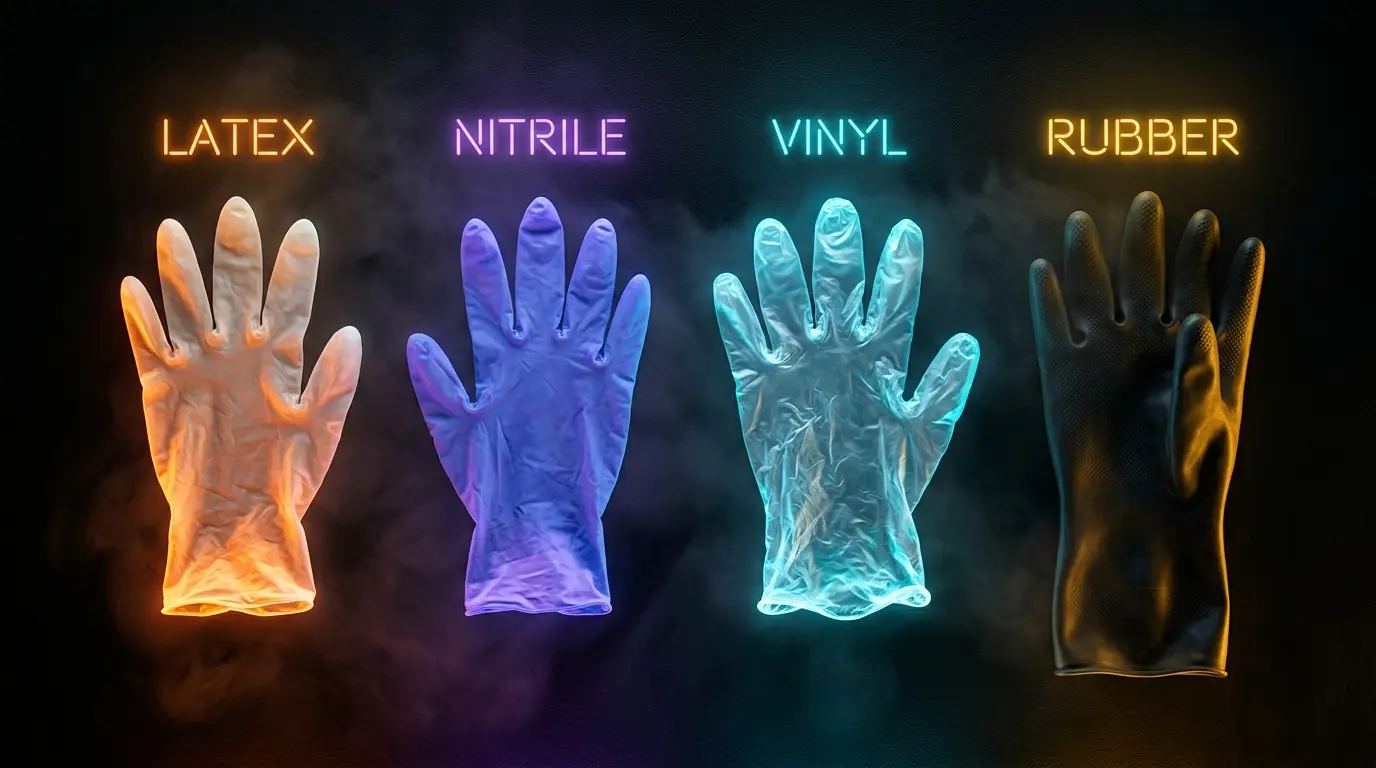
A latex gloves handjob offers the highest degree of tactile sensitivity among all disposable barrier materials. Manufactured from natural rubber latex, these gloves are composed of cross-linked polyisoprene chains. This unique molecular structure grants latex exceptional elasticity, allowing the material to stretch significantly and immediately snap back to its original conformation.
Because of this extreme elasticity, latex gloves conform tightly to the intricate micro-contours of the human hand, acting as a true “second skin.” This exact fit ensures that the mechanoreceptors located in the practitioner’s fingertips retain maximum sensory feedback — crucial for modulating grip pressure, speed, and subtle manipulations. For procedures requiring high dexterity and fine motor control, latex remains the clinical gold standard.
⚠️ Critical safety note: The primary contraindication for a latex gloves handjob is the risk of Type I (IgE-mediated) allergic reactions. Natural plant proteins inherent in rubber latex can trigger immune responses ranging from localized contact dermatitis to severe, life-threatening systemic anaphylaxis. Both partners must definitively confirm the absence of latex sensitivities before use.
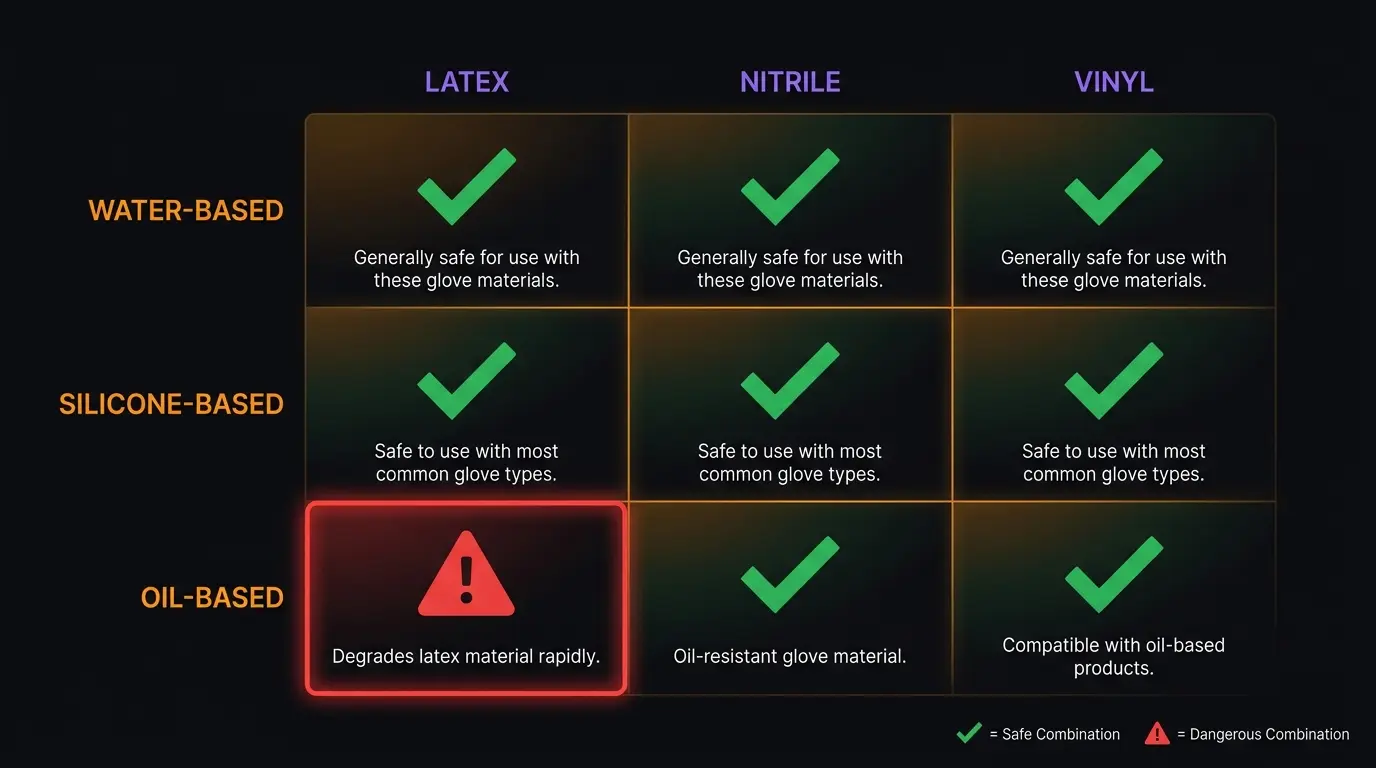
When physiologically tolerated, latex must be used exclusively with water-based or silicone-based lubricants — never oil-based formulations, which cause catastrophic degradation of the latex barrier within 60 seconds.
Nitrile gloves — the latex-free alternative
For individuals presenting with latex allergies, or those seeking enhanced structural durability, a nitrile gloves handjob is the premier clinical alternative. Nitrile gloves are fabricated from nitrile butadiene rubber (NBR) — a fully synthetic copolymer that is completely devoid of the allergenic proteins found in natural rubber, making them highly hypoallergenic.
Modern manufacturing advancements in polymer formulation have resulted in nitrile gloves that closely approximate the stretch, comfort, and sensory responsiveness of latex.
From an injury prevention perspective, nitrile is exceptionally robust. The material boasts vastly superior puncture and tear resistance compared to standard latex — making nitrile the optimal choice for practitioners with particularly long, sharp, or rigid acrylic nails. The heightened tensile strength minimizes the risk of the artificial nail piercing the glove apex and contacting the partner’s skin. Furthermore, nitrile demonstrates high chemical resistance to a broader spectrum of substances, including oils and solvents.
Vinyl & PVC gloves — budget option
Polyvinyl chloride (PVC) and standard vinyl gloves represent the most economical, entry-level tier of barrier protection. While accessible and entirely latex-free, a vinyl gloves handjob presents severe functional drawbacks in the context of manual sexual application.
The fundamental issue lies in the material’s molecular structure. Vinyl is an inherently inelastic plastic — it does not possess the cross-linked elastomeric memory of latex or nitrile. Consequently, vinyl gloves do not stretch to conform precisely to the hand. This results in a loose, baggy fit characterized by excess material bunching at the fingertips and palmar creases, significantly degrading tactile sensitivity. More concerningly, the bunched material can fold over itself during dynamic stroking motions, creating uncomfortable focal points of friction on the receiving partner’s anatomy. Vinyl is also highly susceptible to micro-tears under shear stress, compromising its efficacy as an infection barrier.
Clinically, vinyl is recommended only for low-risk, short-duration tasks and should be avoided for sexual applications unless latex or nitrile alternatives are strictly unavailable.
Rubber gloves — texture & grip advantages
Thicker industrial or specialty rubber gloves introduce an entirely different mechanical and sensory dynamic to manual stimulation. A rubber gloved handjob utilizing reusable gloves with higher mil thicknesses or specialized molded textures dramatically alters the somatosensory input for both partners.
Thicker rubber compounds intentionally mute the practitioner’s tactile sensitivity but compensate by providing the receiving partner with intense, highly specific friction profiles and heavy structural pressure. Some specialty rubber gloves feature micro-texturing (raised diamonds, micro-foam coatings, or ridges) across the palms and digits. When combined with high-viscosity lubricants, this texturing creates unique hydrodynamic gliding sensations that bare skin cannot replicate. The formidable structural integrity of thick rubber also provides the ultimate safeguard against the sharpest of stiletto acrylic nails, entirely negating the risk of micro-lacerations even under heavy pressure.
| Glove Type | Tactile Sensitivity | Nail Protection | Allergy Risk | Lube Compatibility |
|---|---|---|---|---|
| Latex | ⭐⭐⭐⭐⭐ Highest | ⭐⭐⭐ Good | ⚠️ Moderate (protein allergy) | Water-based & silicone only |
| Nitrile | ⭐⭐⭐⭐ High | ⭐⭐⭐⭐⭐ Best | ✅ Very Low | All types including oil |
| Vinyl | ⭐⭐ Low | ⭐⭐ Poor | ✅ Very Low | Limited |
| Thick Rubber | ⭐ Minimal | ⭐⭐⭐⭐⭐ Maximum | ✅ Very Low | All types |
🧤 Our Top Gloves Picks for Reach Arounds
Premium nitrile and latex options tested for comfort, stretch, and barrier integrity. Free shipping on orders $59+
Shop on EdenFantasys ➜Hygiene Before, During & After a Reach Around
The micro-environment of the human hand — especially the subungual spaces beneath the fingernails and the dermal ridges of the palm — is a highly complex, dynamic microbiome. During a reach around, the close anatomical proximity to both the anal and genital regions necessitates rigorous, protocol-driven hygiene to prevent cross-contamination of enteric bacteria, pathogenic yeasts, and sexually transmitted viruses.
Hand washing protocol — the 60-second rule
Optimal reach around hygiene requires strict adherence to clinical handwashing protocols that far exceed typical domestic handwashing. The standard clinical benchmark is the 60-second rule.
Hands must be washed with warm, flowing water and a broad-spectrum antimicrobial soap for a full, continuous minute. Particular mechanical action must be applied to the interdigital spaces (between the fingers) and, most critically, the subungual spaces. Practitioners must utilize a stiff bristle brush to physically dislodge the tenacious bacterial biofilms that form underneath both natural keratin and synthetic nails.
Clinical finding: Simple handwashing with soap often fails to adequately clear pathogenic colonies from under artificial nails due to the microscopic crevices inherent in the acrylic bonding process. The handwashing protocol must be augmented with an alcohol-based hand sanitizer containing at least 60–70% isopropyl or ethyl alcohol. Alcohol formulations denature bacterial cell wall proteins and dissolve lipid membranes, providing a superior antimicrobial kill rate without excessive mechanical scrubbing that might damage the epidermal barrier.
When to use gloves for hygiene reasons (not just sensation)
Gloves are clinically imperative in specific hygienic scenarios — not merely for enhanced sensation:
- Compromised skin barriers: Gloves must be utilized whenever the practitioner has cuts, abrasions, paronychia (infection around the nail), or compromised skin barriers. Similarly, they are mandatory if the receiving partner presents with active sores, unidentified rashes, or broken skin.
- Cross-zone transitions: If the sexual encounter involves transitioning from anal stimulation to genital stimulation, gloves are non-negotiable. The gastrointestinal tract is colonized by dense populations of coliform bacteria, notably Escherichia coli (E. coli). If these enteric bacteria are transferred via the hands to the external urethral meatus, they can rapidly ascend the urinary tract, triggering severe cystitis (urinary tract infections) or epididymo-orchitis.
The glove protocol for zone transitions: safely engage in anal play → peel off and discard the contaminated glove (turning it inside out to encapsulate the bioburden) → don a fresh glove or use bare washed hands for subsequent genital stimulation. This entirely eliminates cross-contamination risk.
What to clean up afterwards — products and protocols
Post-encounter cleanup is a critical, frequently neglected component of a comprehensive reach around health guide.
- Use non-ionic, fragrance-free cleansing wipes or a mild, pH-balanced saline and soap wash to gently cleanse the area.
- Strictly avoid harsh, highly alkaline commercial soaps, heavily perfumed body washes, or cleansers containing high concentrations of sodium lauryl sulfate. These strip the natural acid mantle of the skin, disrupt the local microbiome, and frequently induce contact dermatitis.
- Proper glove doffing: Grasp the outside of the glove near the wrist cuff and pull downward, peeling it away from the body so that the glove turns inside out — encapsulating all biological fluids within the interior of the discarded glove. Repeat for the second hand, then immediately wash hands following the 60-second rule.
STI considerations — when extra protection matters
Manual sexual stimulation is not entirely devoid of STI transmission risks. While statistically lower risk than unprotected penetrative sex, the clinical data is unequivocal regarding the potential for viral and bacterial transfer via the hands.
- Human Papillomavirus (HPV): Exceptionally resilient, transmitted via direct skin-to-skin contact. If a practitioner’s hands contact HPV-infected genital secretions, viral particles can be mechanically transferred to the partner’s genitalia during a handjob. Hand-to-genital transmission is less efficient than genital-to-genital contact, but the risk is not zero.
- Herpes Simplex Virus (HSV-1 and HSV-2): Can be transmitted if the practitioner touches an active, shedding herpetic lesion and subsequently touches their partner’s mucous membranes.
- Micro-cut amplification: The risk of viral transmission is exponentially magnified by the presence of micro-cuts — which frequently occur during a long nails handjob. These invisible lacerations breach the body’s primary immunological defense, creating direct portals of entry for viruses and bacteria.
Maintaining smooth, rigorously filed nails or utilizing medical-grade gloves remains the definitive, evidence-based defense mechanism against manual STI transmission.
Lube Safety: Which Oils Are Safe (and Which to Avoid)
The selection of a lubricant is not merely a matter of sensory preference — it is a critical variable rooted in chemical engineering, polymer science, and dermatological safety. The biochemical interaction between various lubricant formulations, the human epithelium, and synthetic barrier materials dictates the absolute safety and efficacy of the sexual encounter.
For a comprehensive breakdown of specific product recommendations, see Best Lubes for a Reach Around: 2026 Honest Review.
Is coconut oil safe for a reach around?
A coconut oil hand job is exceedingly safe and highly effective for bare-handed manual stimulation, provided neither partner suffers from topical tree nut allergies. Coconut oil offers an exceptionally long-lasting glide, does not become tacky as water evaporates, and possesses natural moisturizing lipids.
⚠️ Critical: Coconut oil must never be utilized in conjunction with latex gloves or latex condoms. Its non-polar chemical structure rapidly and catastrophically degrades the structural integrity of natural rubber within 60 seconds.
Oils that degrade latex gloves — the critical safety note
When considering a massage oil hand job while simultaneously wearing latex gloves, practitioners must understand the rapid degradation kinetics involved.
Natural rubber latex is composed of long, non-polar polyisoprene chains. According to the chemical principle of “like dissolves like,” when latex barriers are exposed to oil-based substances (which are also non-polar lipids), the oil molecules rapidly permeate and diffuse into the latex matrix. This forces the tightly cross-linked polymer chains apart, disrupting the bonds that give latex its tensile strength and elasticity.
Laboratory studies have demonstrated that exposure to mineral oil — the primary component of baby oil, Vaseline, and many commercial massage lotions — can cause critical deterioration in latex strength in as little as 60 seconds. Burst experiments reveal that latex barriers treated with mineral oil burst at less than 10% of the volume of untreated barriers.
The following are absolute chemical threats to latex gloves and must be strictly avoided:
- Petroleum jelly (Vaseline)
- Baby oil / mineral oil
- Body lotions and massage oils
- Natural lipids (coconut oil, olive oil, jojoba oil)
Water-based vs silicone vs oil — complete safety comparison
| Lubricant Formulation | Chemical Compatibility | Sensory & Functional Profile | Clinical Drawbacks |
|---|---|---|---|
| Water-Based | ✅ Universal — safe with all barrier materials (latex, nitrile, vinyl) and silicone sex toys | Highly polar; does not chemically interact with non-polar latex. Easy to clean with water. | Absorbs rapidly into skin and evaporates, requiring frequent reapplication. High glycerin or osmolarity formulations can promote yeast infections. |
| Silicone-Based | ✅ Safe for use with all glove materials (latex, nitrile, vinyl). | Extremely slick, highly durable, long-lasting, and waterproof. Does not absorb into dermal layers. | Will permanently chemically degrade silicone sex toys. Difficult to wash off, requiring soap and warm water. |
| Oil-Based | ⚠️ Destroys latex within 60 seconds. Safe only with synthetic nitrile and polyurethane barriers. | Highly viscous, providing heavy friction reduction for extended heavy-pressure sessions (e.g., coconut oil hand job). | Absolutely unsafe for latex barriers. Can trap transient bacteria against skin and permanently stain fabrics. |
Signs of a lube allergy and what to do immediately
Even when utilizing chemically compatible lubricants, biological incompatibility remains a persistent risk. Signs of an acute lube allergy handjob reaction typically manifest as allergic contact dermatitis or irritant contact dermatitis.
Immediate warning signs:
- Sudden and intense pruritus (itching)
- Severe burning sensations
- Rapid erythema (redness)
- Localized edema (swelling)
- Sudden development of urticaria (hives) on the genitalia or the practitioner’s hands
Immediate clinical response protocol:
- Cease sexual activity instantly.
- Aggressively flush the affected anatomical areas with cool water — not hot water, which exacerbates vasodilation and worsens inflammation.
- Cleanse with a mild, unfragranced soap to remove all traces of the chemical irritant.
- If inflammation, swelling, or pain persists beyond a few hours, or if systemic symptoms develop, seek medical evaluation.
- For future encounters, strictly utilize hypoallergenic, paraben-free, propylene glycol-free, and glycerin-free formulations — prioritizing pure silicone or specialized sensitive-skin water-based variants.
🏆 Our Tested Lube Recommendations
Hypoallergenic, glove-safe formulations ranked by longevity, glide, and skin safety. See our full 2026 review.
See Lube Recommendations ➜Injury Prevention: 5 Things That Cause Discomfort (and How to Fix Them)
A comprehensive biomechanical and psychological analysis of manual sexual stimulation reveals five primary vectors for physical discomfort, tissue injury, or neurological habituation. Anticipating and systematically mitigating these factors ensures the preservation of both structural anatomy and long-term sexual sensitivity.
1. Long/sharp nails causing micro-cuts
The rigid, sharp edges of unmaintained natural nails or acrylic extensions act as mechanical abrasives against the penile epithelium. These micro-cuts are not only immediately painful, but they also incite inflammatory cascades and serve as direct entry points for bacterial and viral pathogens, bypassing the body’s primary immunological barrier.
The Fix: Comprehensive physical preparation is non-negotiable. Nails must be filed round, and high-grit smoothing buffers must be employed to eliminate microscopic jagged edges. If physical filing is insufficient or undesirable due to cosmetic preservation, deploying a thick latex or nitrile glove instantly neutralizes the mechanical threat — transforming a cutting edge into a blunt, smooth surface that entirely protects the partner’s skin.
2. Death grip pressure
“Death grip syndrome” (clinically referred to as idiosyncratic masturbation patterns or traumatic masturbatory syndrome) describes profound penile desensitization caused by chronic, aggressive, high-pressure manual stimulation. When penile tissues are continuously subjected to extreme compressive forces, the mechanoreceptors within the glans and shaft habituate to the hyperstimulation.
Over time, this neural adaptation leads to a vicious neurological cycle: the individual requires increasingly tighter, faster, and more abrasive stimulation to achieve climax. Eventually, normal sexual activity or gentler manual stimulation becomes completely imperceptible, leading to delayed ejaculation or erectile dysfunction.
The Fix: Reversing this profound desensitization requires a structured neurological and physical reset:
- A mandatory period of abstinence (often 1 to 3 weeks) to allow receptor sensitivity to recover.
- A strict transition to lighter grip techniques, slower pacing, and the mandatory, liberal use of lubricants to reduce shear friction.
- The practitioner should focus on “feeling” the tissues and utilizing varied, gentle strokes rather than applying static, crushing, task-oriented pressure.
For techniques that help calibrate grip pressure, see Reach Around Grip Styles: Which One Works Best?
3. No lube
Executing a handjob without adequate lubrication subjects delicate genital tissues to immense frictional shear stress. The human stratum corneum is not biomechanically designed to withstand high-velocity, repetitive friction without a hydrodynamic gliding medium. Absent lubrication, the resulting mechanical trauma leads to immediate chafing, micro-abrasions, epidermal desquamation (skin peeling), and severe delayed-onset soreness that can persist for days.
The Fix: The liberal and continuous application of a high-quality, chemically compatible lubricant is essential. Lubrication fundamentally alters the tribological environment, transforming destructive dry kinetic friction into pleasurable hydrostatic gliding. This thin liquid barrier protects the tissue architecture from mechanical degradation and allows for longer, more comfortable sessions without resulting in epithelial damage.
4. Wrong angle causing wrist injury
The biomechanics of delivering a reach around frequently place the practitioner’s upper extremities into highly unergonomic, strained postures. The position often demands severe wrist extension (bending the hand sharply upward) and extreme radioulnar deviation (bending the wrist sideways). Prolonged static positioning in these extreme, end-range motions dramatically increases compression on the median nerve as it passes through the narrow carpal tunnel, while simultaneously overloading the flexor tendons of the forearm. Over time, this repetitive strain manifests as aching, stiffness, tingling in the fingers, and chronic tendinopathy or Carpal Tunnel Syndrome.
The Fix: Ergonomic positioning is vital. Practitioners must endeavor to keep their wrists in a neutral alignment — ideally flat or with only a slight 10 to 15 degree extension. To achieve this, the couple must critically evaluate and adjust their overall bodily alignment:
- Side-lying positions (spooning) allow the practitioner to reach naturally without forcing the wrist into hyper-extended angles.
- Utilizing structural wedges and pillows to prop up the receiving partner’s hips can drastically alter the angle of approach.
- This allows the practitioner to engage the larger muscles of the shoulder and arm rather than the vulnerable wrist tendons.
For optimal positional alignment guides, see Reach Around From Behind: Positions and Angles.
5. Ignoring partner’s feedback
Discomfort that is ignored, unnoticed, or poorly communicated rapidly transitions from a minor annoyance into acute physical injury or psychological aversion. A common error is the practitioner transitioning into an aggressive, task-oriented “rubbing” mode, losing all attunement to the partner’s involuntary physical responses and subtle cues.
The Fix: Implement a continuous, active communication protocol:
- The practitioner must continuously monitor the receiver for autonomic signs of discomfort: sudden muscle guarding, tensing of the pelvic floor, breath-holding, or shifting away from the touch.
- Verbal check-ins regarding pressure intensity, stroke speed, and lubrication levels ensure stimulation remains within optimal, pleasure-inducing thresholds.
- If a partner indicates pain, the action must stop instantly, and the technique must be recalibrated.
For a complete breakdown of common technique errors and how to correct them, see 5 Common Reach Around Mistakes (And How to Fix Them).

Expert Summary
The biomechanical, chemical, and microbiological realities of manual stimulation necessitate clear, protocol-driven approaches to ensure maximum safety and efficacy.
| Action | Rationale |
|---|---|
| ✔ File or cover sharp nails before starting — no exceptions | The risk of micro-lacerations from acrylics or long keratin nails is severe, creating vectors for STI transmission; physical smoothing or elastomeric barriers are mandatory. |
| ✔ Latex gloves improve both hygiene and sensation when used correctly | They provide exceptional, form-fitting tactile feedback while neutralizing the transmission risks associated with enteric bacteria and viruses like HPV. |
| ✔ Oil-based lubes degrade latex — use water-based if wearing gloves | The polyisoprene chains in natural rubber fail catastrophically within 60 seconds when exposed to non-polar lipids like mineral oil, baby oil, or coconut oil. |
| ✔ Wash hands for 60 seconds before and after | Rigorous hand hygiene, preferably augmented with an alcohol-based gel, is required to neutralize the gram-negative bacilli and yeasts highly prevalent under artificial nails. |
| ✔ Communicate during — discomfort ignored becomes injury | Actively adjusting grip pressure, altering wrist angles to prevent median nerve compression, and applying adequate lubrication prevent both acute epithelial trauma and chronic neurological desensitization. |
Ready for technique? See our Ultimate Guide to the Reach Around Handjob for the complete framework.
Best lubes we tested: Read our Best Lubes for a Reach Around: 2026 Honest Review for specific product rankings.
Grip tips: Master the mechanics with Reach Around Grip Styles: Which One Works Best?
🛒 Shop Safety Essentials on EdenFantasys
Lubricants, gloves, and hygiene-focused intimate care. Free shipping on orders $59+
Browse the Full Collection ➜Watch real techniques in action: Browse our curated HD video library.